1920 Opens In Dubai: A Speakeasy-Inspired Fusion of Elegance And Edge
1920 is a space that fuses elegant workspaces with a sultry, hidden lounge — echoing the duality of the Roaring Twenties and reimagined for Dubai’s modern elite
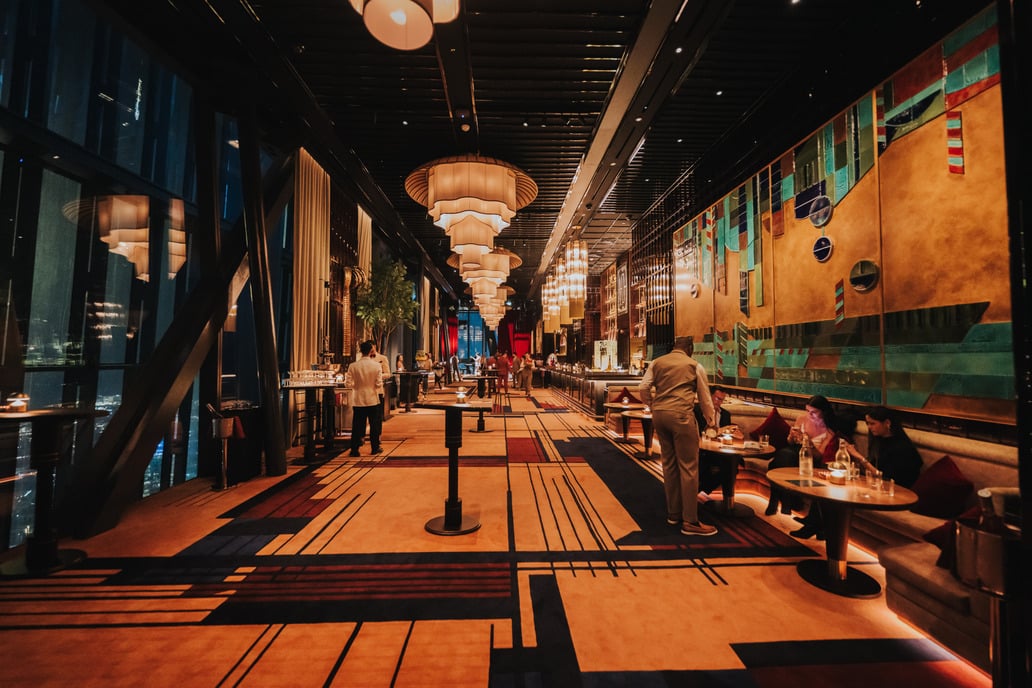
Famed architect Lázaro Rosa-Violán brings to life a reimagined speakeasy inspired by the dual nature of the Roaring Twenties —combining a hidden cocktail and music lounge with a polished, sophisticated office space
Design Concept & Inspiration
Perched atop the iconic ICD Brookfield Place in DIFC, with sweeping views across the Dubai skyline, 1920 was envisioned as a reimagined speakeasy. Channeling the split nature of the Roaring Twenties, an age of ambition and abandon, the objective was to create a dual-purpose space—part clandestine cocktail & music lounge, part sophisticated, design-led office.
This was a decade defined by contrast: rigid work ethics by day, after-dark decadence by night. It was also an era when secrecy reigned supreme, with hidden venues and whispered invitations. That duality, professional by daylight, provocative by moonlight, became the north star for the entire design language. Inspiration was drawn not just from the clean, modernist architecture of 1920s America, but also the sensual rhythm of Parisian nights, and the shadowy drama of classic cinema’s underground worlds. The result is a space that feels at once glamorous and intimate, theatrical yet composed.
Lázaro Rosa-Violán’s Signature Touch
Few designers understand the art of storytelling through space quite like Lázaro Rosa-Violán. Based in Barcelona, the acclaimed designer is one of Europe’s most prolific and recognizable names in the world of interiors, with over 600 projects across 200+ cities and 50+ countries. Known for his immersive, maximalist spaces that blur the lines between art, architecture, and narrative, his work is especially celebrated in hospitality, retail, and lifestyle.
Within the D.ream group’s portfolio, Lázaro has left his unmistakable mark on some of its most iconic venues. Most notably the Amazónico restaurants in Madrid, London, and Dubai, each one rich in texture, atmosphere, and identity. With 1920 Dubai, he was involved from the very first sketches through to the final styling phase, ensuring every detail aligned with the original vision.
His approach is deeply intuitive and hands-on. He not only leads design direction from the studio, but personally curates decorative elements from antique shops and flea markets around the world. Several of the most distinctive objects in 1920 were sourced during his time in Dubai, adding a quiet, local layer to the global story.
While no two of his projects are ever the same, what ties them together is a shared ethos: a pursuit of spatial experiences that surprise and seduce, that feel lived-in yet refined. In a city known for going loud, 1920 is deliberately subdued. It’s a space that doesn’t demand attention, but rewards it—a true Lázaro hallmark.
Key Design Features
At the heart of 1920 sits a towering mural, an artwork that commands attention without shouting. Though often misread as Italian, it draws its soul from the textured lobby murals of early skyscrapers: straight lines, warm tones, and a sense of upward movement. Made from handcrafted ceramic tiles sourced from Spain, it was assembled piece-by-piece on-site, merging matte and glossy finishes to reflect the ever-changing light of the city outside.
Beyond the main mural, a collection of antique decor and illuminated glass installations adds layers of intrigue. Each vintage piece has a story, curated and handpicked from antique dealers, including markets right here in Dubai.
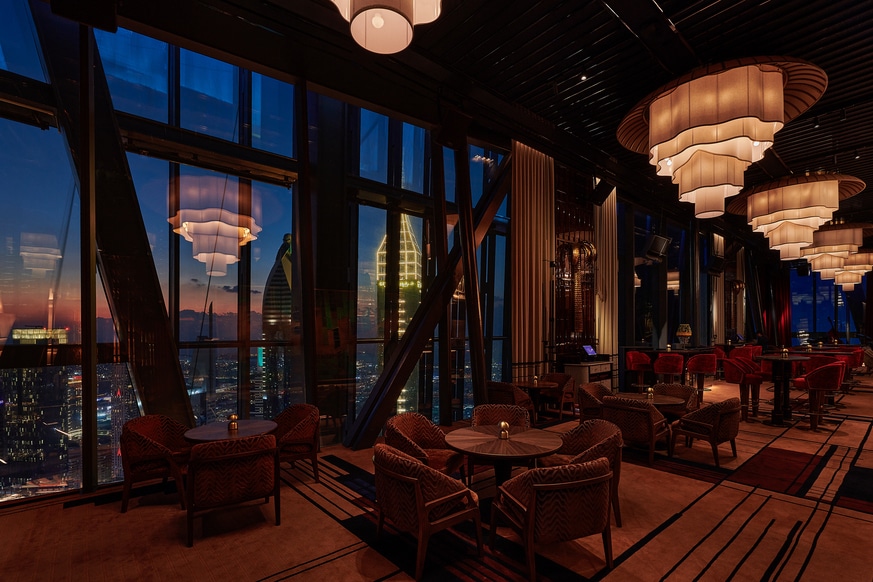
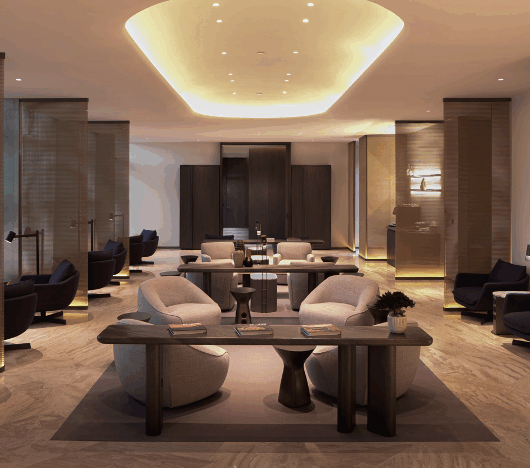
To reflect the dual nature of the concept—a space that shifts from day to night, from work to revelry, the design team turned to materials that echo contrast and transformation. Varnished wood-paneled walls and reflective glass surfaces were chosen to evoke the sleek modernity of the 1920s, while velvet upholstery and heavier textiles were layered in to bring a sense of warmth, sensuality, and evening allure. The colour palette, led by rich reds and golden yellows with hints of blue, was drawn from the ambient glow of city lights after dark, creating an atmosphere that feels both contemporary and timeless, grounded in the spirit of a bygone era.
Customisation runs through every corner of 1920. From bespoke carpets to plush curtains, nearly every detail was designed from scratch. The showpieceis a monumental, backlit glass display behind the bar, assembled from fragile, one-off pieces that glitter with effortless grandeur.
But perhaps the bar’s greatest design asset is its view: floor-to-ceiling windows frame the glittering sprawl of Downtown Dubai. But rather than compete with the skyline, 1920 complements it, offering guests a space that feels both expansive and intimate, like stepping into a private club suspended in time.
Lighting
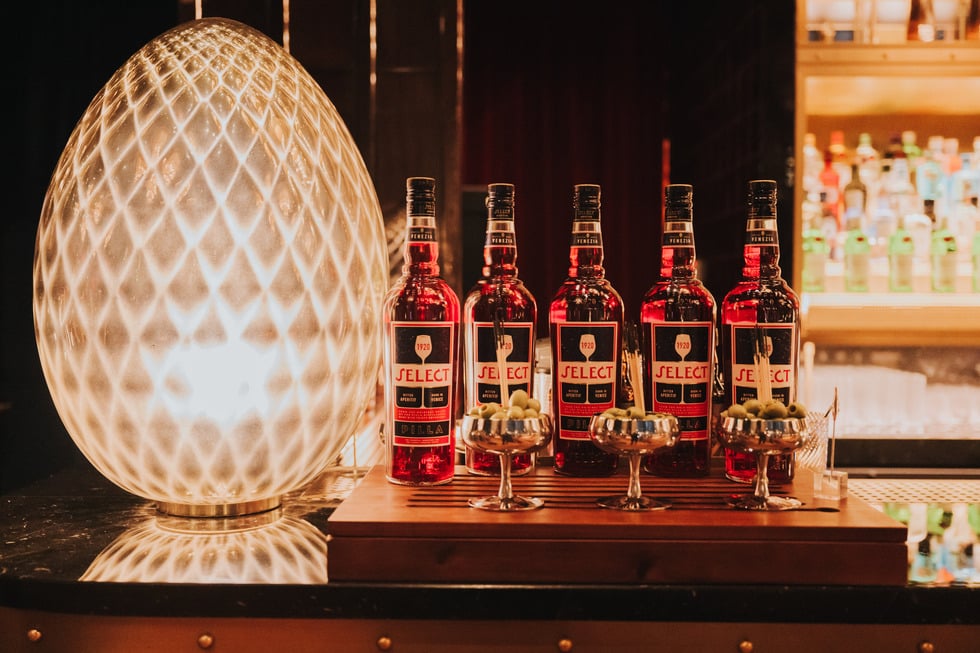
Lighting plays a pivotal role in shaping the mood. The lighting design by Isometrix Lighting Design was instrumental in shaping the ambiance, adding depth and character to the space. Soft, sculptural, and strategically low. Light seeps through fluted glass panels and gilded wall sconces, creating an ever-changing interplay of shadow and shimmer. A blend of custom-designed fixtures and vintage statement pieces like the golden lamp and egg-shaped sconce, adds layers of character throughout.
Every surface is designed to reflect mood: the onyx bar glows like a jewel box, while the ceiling, inset with deco-style fan motifs, adds vertical rhythm to the space. The lighting in the speakeasy rooms channels the movement of flapper-era fashion: fringes, flowing silhouettes, and delicate layers. In contrast, the meeting rooms adopt a more structured language taking cues from Art Deco classics: bold, structured, and timeless.
Spatial Flow & Experience
The layout of 1920 is choreographed like a night out. Every curve, every fabric, every cocktail glass has been chosen to reflect a singular design ethos: elegance without excess, nostalgia without imitation, drama without noise. The journey begins in hushed privacy with cozy booths and semi-enclosed nooks, then crescendos as you move deeper into the space. Seating evolves along the way: low sofas for lounging, high stools near the DJ for dancing. By the time you reach the stage at the far end, the mood has shifted from intimate to electric.
Velvet booths near the entrance double as a design feature and a narrative cue. They hint at secrecy and romance, offering guests the chance to sip in solitude, or whisper among the shadows, while still soaking in the atmosphere.
At its heart, 1920 is a place where music and mixology converge. The back bar, a monolithic tower of brass and glass, is equal parts stage and altar. Bartenders perform like jazz musicians—intuitive, fluid, precise, mixing cocktails that balance classic technique with unexpected flourishes.
During golden hour, the venue glows in soft amber. At night, it transforms into a cinematic shift into deeper tones, fuller beats, and slower rhythms. It is at once a sanctuary and a stage, a hideaway and a headline.
Just beside it, the vinyl DJ booth commands attention without showiness. Its placement is deliberate, anchoring the soundscape while giving guests a full view of the turntable ritual. Here, music isn’t background; it’s narrative. From soulful vinyl sets to curated retro nights, every sonic detail is part of the venue’s sensory storytelling.