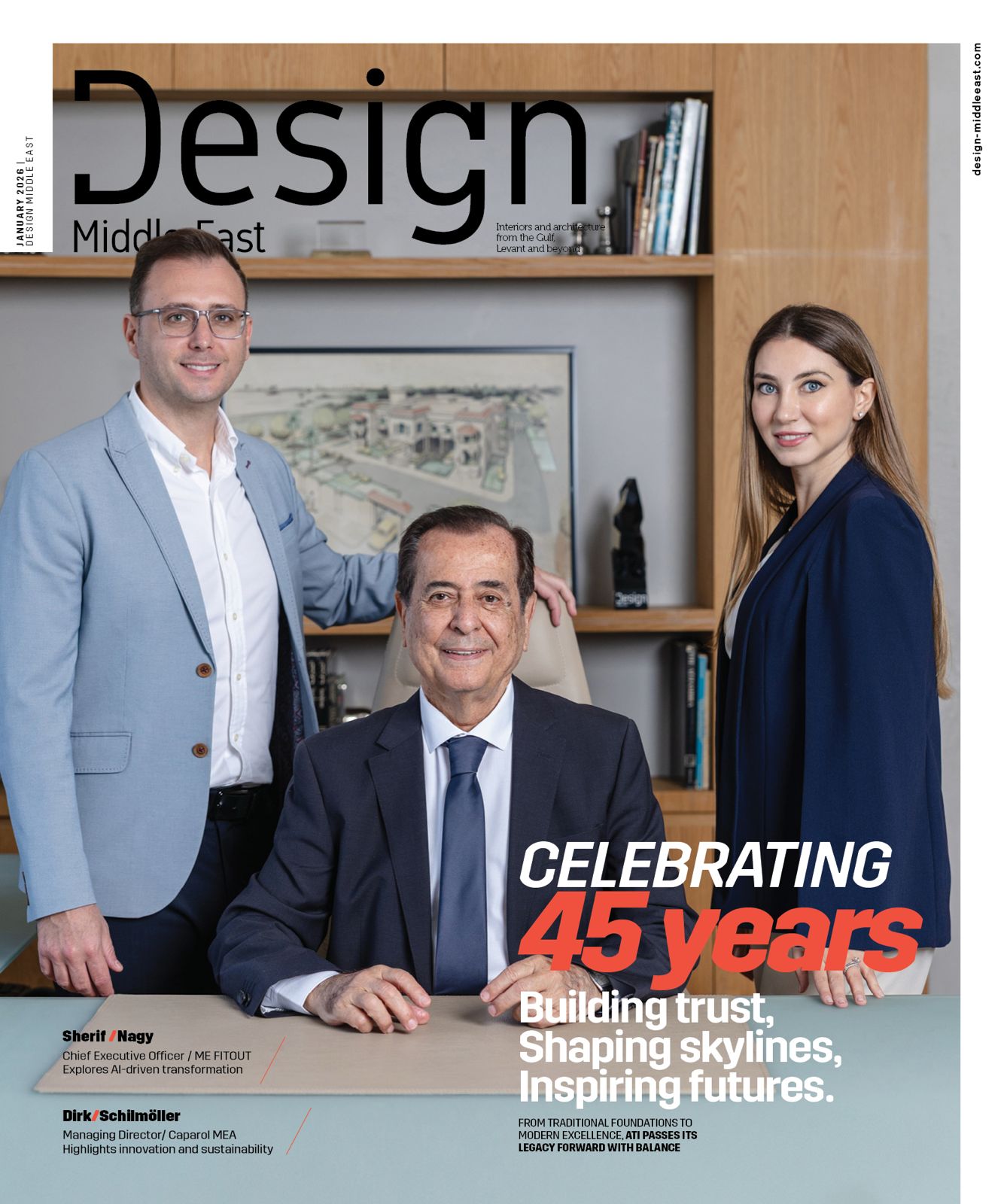
Powerlist Creative 30 2025 : Jason Burnside, Partner Godwin, Austen Johnson, Ranks 17th

firm’s leadership in sustainable F educational design. or Jason, the horizon is diverse and inspiring. GAJ is shaping projects from a national museum that will anchor modern cultural identity to schools designed to embed sustainability, while redefining hospitality experiences in a fast- evolving region. Jason has long embraced digital tools— video-conferencing and remote collaboration—now transforming design into a more transparent, inclusive, and efficient process. For him, the horizon is not just the projects undertaken, but how they are delivered: smarter, greener, and profoundly human-centred. This blend of innovation, context, and creativity ensures GAJ remains relevant, resilient, and capable of creating environments that are meaningful, advanced, and enduring.
FROM START TO SUCCESS
Jason Burnside’s journey began in the UK, where studying architecture taught him to value both technical precision and creative vision. More than 25 years ago, he moved to the Middle East at a time of extraordinary transformation. The ambition, scale, and cultural depth of projects in the region shaped him profoundly.
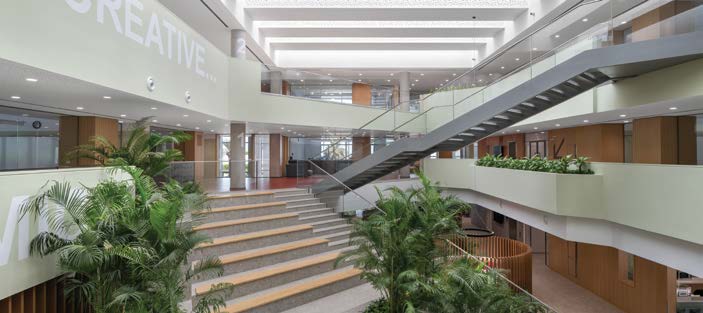
Joining Godwin Austen Johnson was a pivotal moment. Jason grew from project architect to Managing Director, learning that leadership is about balancing vision with delivery, creativity with accountability. Designing the Godwin Austen Johnson headquarters 18 years ago was a symbolic milestone—an open, light-filled, collaborative space that embodied the culture the firm wanted to build.
His milestones are not only measured in buildings, but also in the culture of accountability, collaboration, and design integrity that has been cultivated. Today, with around 110 staff, including more than 80 permanently based in the studio, that culture remains inclusive, trusting, and transparent.
Some of Jason’s key achievements stem from education and cultural projects that set new standards in sustainability and creativity, showing that architecture can inspire, inform, and endure.

THE ROAD AHEAD
Godwin Austen Johnson envisions a future of architecture defined by adaptability, creativity, and cultural authenticity. The firm is expanding its presence in the Gulf and other markets that value design excellence, while embedding sustainability in every aspect of its practice—from optimising daylight and conserving energy to eliminating single-use plastics. Globally recognised for its projects and ethos, Godwin Austen Johnson believes lasting impact stems from collaboration, context, and innovation, creating architecture that inspires and endures for future generations.
Leading with Impact
Impact For Jason, leadership is about example, not instruction. His role is to set direction, remove barriers, and ensure people feel supported and empowered. At Godwin Austen Johnson, inclusivity, trust, and high standards are not abstract ideals—they are lived daily. The firm’s structure provides stability, but it is never heavy-handed; creativity thrives when people feel free to take ownership of their work.
The open-plan studio embodies this philosophy: senior staff sit alongside juniors, ensuring mentorship happens naturally in the flow of work. Walking through the studio each day is not just routine for Jason, but a chance to engage, encourage, and share ideas. Inspiration often comes in those small, unplanned moments—a sketch on a screen, a passing conversation, or a word of encouragement.
Godwin Austen Johnson is a multicultural, family-oriented practice where collaboration is as important as accountability. Over the years, Jason has learned that when leadership leads by example, people don’t just meet expectations—they surpass them. For him, that is what defines impact in architecture and in business.
PROJECTS
That Define Excellence Some projects have left an indelible mark on Jason because they fundamentally shifted how he sees design. Designing the Godwin Austen Johnson studio was a turning point, proving how openness, daylight, and culture are not abstract ideals, but tangible forces that influence how teams perform and thrive. Leading a national museum project has been equally rewarding, offering him the opportunity to anchor cultural identity through design of lasting significance. Hospitality projects across the region have also been defining, challenging Jason and his team to deliver sustainability and technology at scale while still creating experiences that resonate with people.
Equally transformative has been the firm’s leadership in the education sector through projects such as the Dubai College Jafar Centre, a LEED Gold-certified development that achieved an impressive 74 LEED points, holding the fourth-highest LEED score sustainability strategy included rainwater harvesting, condensate reuse, low-VOC materials, high- reflectance roofs, and energy- efficient HVAC with heat recovery. More than a collection of systems, it demonstrated how passive- first design can create learning environments that are both inspiring and resilient.
Notably, of the seven LEED Gold- certified schools in the UAE, four were designed by Godwin Austen Johnson—a clear testament to the firm’s leadership in sustainable