Aedas Drives Diriyah’s Transformation Into A Global Luxury Destination
Aedas is at the forefront of Diriyah’s transformation, delivering four landmark hospitality projects that combine architectural excellence with cultural heritage
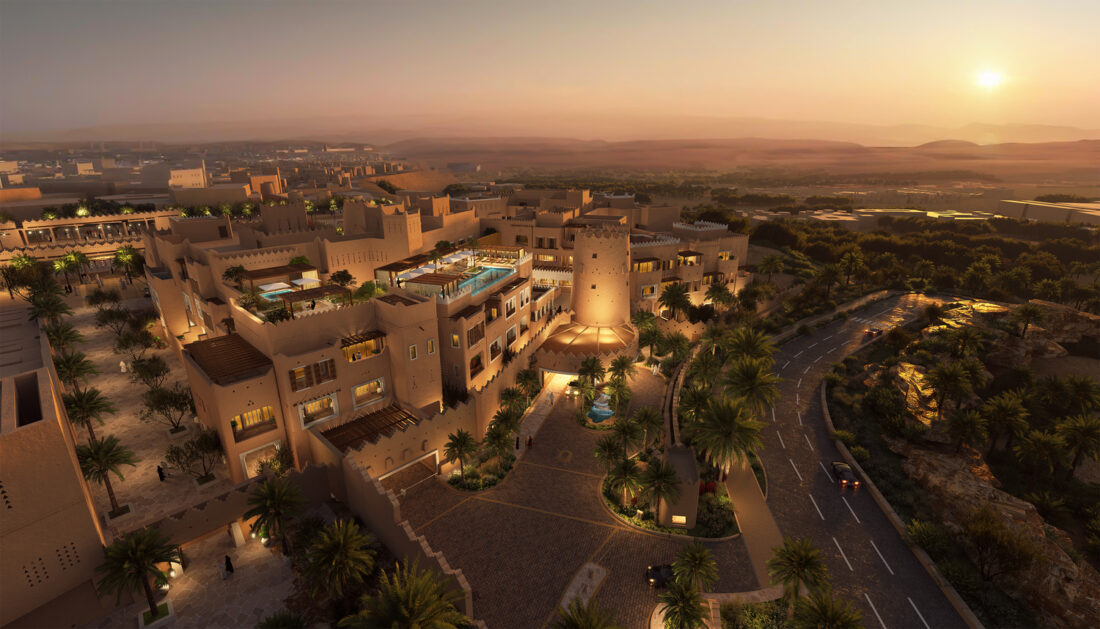
Aedas is delivering a portfolio of landmark hospitality projects in collaboration with Diriyah Company, shaping one of the world’s most culturally significant developments. Through four major assets, The Oberoi Wadi Safar, Four Seasons Hotel Diriyah, Capella Diriyah, and Orient Express Diriyah, Aedas is contributing to the transformation of Diriyah into a global luxury, heritage, and lifestyle destination.
Diriyah, known as “The City of Earth” for its heritage and deep connection to the landscape, is home to the UNESCO World Heritage Site of At-Turaif. It is being developed into a world-class cultural capital that merges historic Najdi identity with contemporary hospitality and urban vibrancy. Aedas’ architectural work reflects this vision, drawing from the region’s landscapes, traditions, and cultural memory while delivering refined, modern design.
Across all projects, Aedas integrates key elements of Najdi identity including the falaj, the courtyard, the wall and the sikkas, timeless architectural features and materiality that shape the character and rhythm of Diriyah’s built environment. These elements inform planning, massing, circulation and the experiential layers of each project, curating exclusive, one-of-a-kind experiences for guests and travelers.
While this release highlights four flagship hospitality assets, Aedas continues to work with Diriyah Company on additional architectural assets within the wider masterplan, contributing to the city’s evolving cultural and urban vision.
A Portfolio of Experiences Rooted in Place
The Oberoi Wadi Safar
The Oberoi Wadi Safar is envisioned as an ultra-luxury sanctuary embedded within the natural landscape of Wadi Safar. Immersed in the agricultural heritage of Najdi date farms, the design incorporates palm groves, falaj systems and a series of private courtyards and gardens that establish a serene, retreat-like environment. Villas and low-lying structures are carefully woven into the terrain, creating an atmosphere of seclusion, intimacy and continuous connection to the land.
Four Seasons Hotel Diriyah
Positioned along the dramatic Wadi Hanifah escarpment, the Four Seasons Diriyah offers a refined urban resort experience. The 150-key hotel is organized across a series of traditional houses (Al Bayt), clustered to create the sense of a village and stepped along the landscape to maximize views, while courtyards, shaded terraces and interconnected pathways establish a fluid relationship between interior spaces and the surrounding Wadi. A reinterpretation of the traditional sikka informs movement and scale throughout the project, and grand colonnades define the arrival sequence, recalling the spatial majesty of historic Najdi palaces.
Capella Diriyah
Capella Diriyah is a 100-key luxury hotel rooted in an interpretation of the defensive fortress typology (Al Hisan), with references to Diriyah’s historic urban fabric anchoring the project in its cultural context. Courtyards, sunken wells, and stepped voids reinterpret traditional forms with contemporary clarity, while the spatial hierarchy of At-Turaif informs seamless transitions from public to private zones. Together, these elements create an immersive environment that balances cultural authenticity with modern refinement.
Orient Express Diriyah
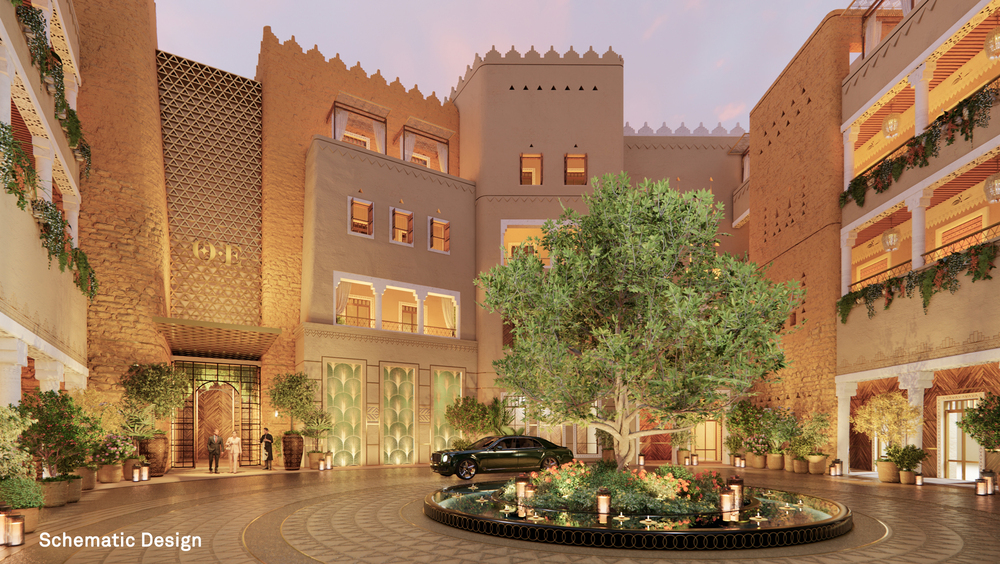
The first Orient Express hotel in the region occupies a prominent frontage along Diriyah’s luxury retail street, with views of idyllic locations in the Diriyah masterplan. The 86-key hotel is composed around three landscaped courtyards and linked by a souq-inspired circulation spine, recalling the rhythm and intimacy of traditional Najdi settlements. Pedestrian-focused entrances and activated F&B frontages integrate the hotel into the surrounding urban fabric, creating a destination that blends cultural storytelling, contextual architecture and contemporary hospitality.
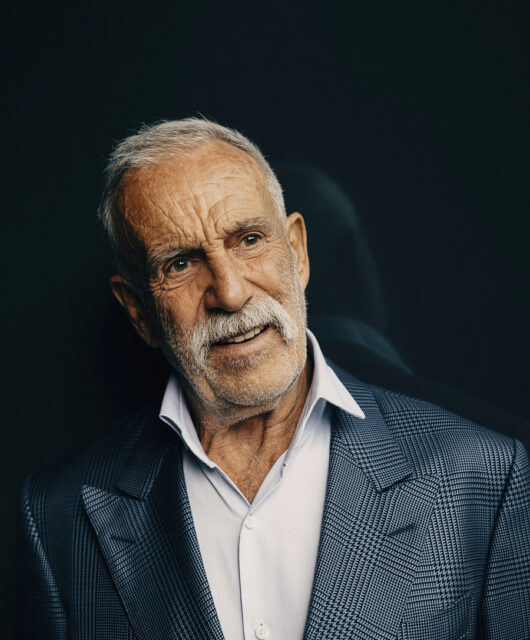
“Understanding the beauty and ingenuity of Najdi architecture is not about replicating its motifs or aesthetics, but about respecting the intelligence behind its typological solutions, its massing, materiality, and sense of place shaped by time and culture. This understanding guides how we place human scale at the heart of our developments. Najd is, above all, about people.”— Ignacio Gomez, Global Design Principal, Aedas