Caparol: Paint That Performs
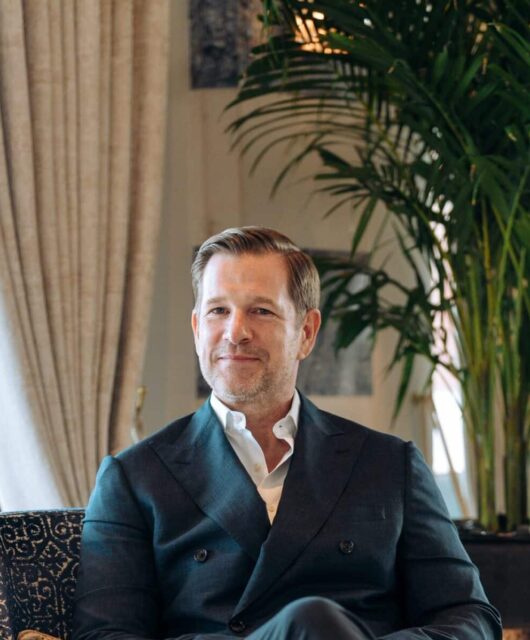
Dirk Schilmöller, Managing Director for the Middle East, Africa & Asia at Caparol MEA, shares insights on the brand
Looking back at 2024–2025, what were the biggest milestones for Caparol in the region?
The past 18 months marked a period of significant progress for Caparol across the Middle East and Africa. We delivered double-digit growth across the region, reflecting sustained demand for our premium solutions, the strength of our regional partner network, and a growing appetite for more expressive design.
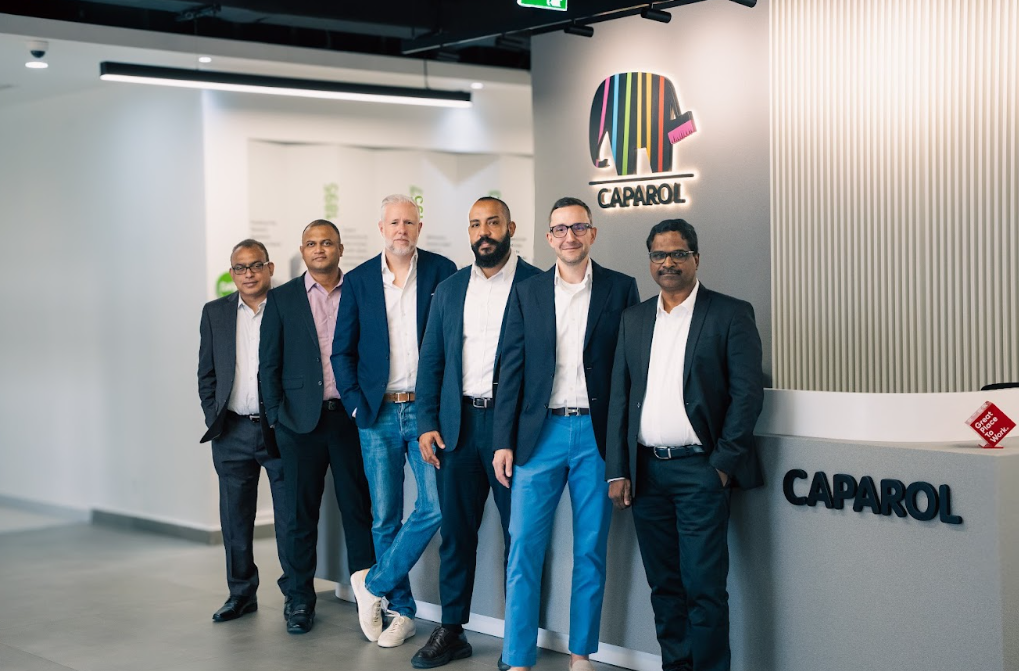
Growth was matched by investment in people and presence. We onboarded almost 40 new colleagues across sales, marketing, supply chain, and technical functions, and expanded our footprint with the opening of our Caparol Africa office in Kenya, alongside a new office and dedicated training centre in Muscat, Oman. This investment reinforces our commitment to being closer to customers and supporting projects on the ground.
We also strengthened our market engagement through major industry platforms, including participation at The Big 5 Construct Kenya, IDF Oman, and Zak World of Façades UAE, while continuing to expand our dealer network across the UAE, including new partnerships in Abu Dhabi. Being recognised as a Great Place to Work further reinforced our commitment to building a strong, people-led organisation that supports long-term growth and partnership in the region.
How has market demand evolved—especially around sustainability, wellness coatings, and performance finishes?
There has been a clear evolution in market demand, reflecting the region’s growing focus on sustainability and wellness-driven solutions. With approximately 75% of consumers expressing concern about climate change, environmental awareness is increasingly influencing consumer behaviour across the region.
As a result, there is heightened demand for eco-friendly formulations, particularly products with low or zero volatile organic compounds (VOCs). We are also seeing regulatory transformation, with an increasing number of Gulf standards governing coating chemistry, while Dubai Municipality VOC thresholds, bilingual safety data sheets, and SABER certification in Saudi Arabia move regional compliance closer to European norms.
Premium, odourless, VOC-free paints have long been a priority for us and are present throughout our product range. These products support wellness-conscious customers while meeting and exceeding the region’s evolving regulatory requirements.
Health and indoor air quality are now key considerations for both residential and commercial customers. We are responding with ongoing innovation, including soon-to-be-announced interior paint offerings that further build on our portfolio combining aesthetics with wellness benefits. Demand for green building certifications continues to rise, and Caparol’s decades-long expertise in sustainable, high-performance finishes positions us strongly in this space. These trends not only shape our product development but also drive meaningful industry dialogue around healthier, more sustainable built environments.
How have colour preferences shifted across residential, commercial, and hospitality sectors this year?
Design sensibilities across the region are undergoing a notable shift. According to our recent UAE Colour Confidence survey, 70% of UAE residents expressed a desire to move away from beige tones towards bolder and more expressive colour schemes. This reflects a growing interest in personalisation and the use of colour as a form of self-expression.
We are seeing a strong preference for earthy tones, including greens inspired by nature, browns that echo desert landscapes, and blues reminiscent of the Arabian Sea. These palettes resonate deeply with the region’s cultural and natural identity.
In residential spaces, there has been a noticeable uptake in green accent elements, particularly in kitchen cabinetry, reflecting global design influences. In commercial and hospitality environments, these trends are equally evident. Projects such as Mama Shelter demonstrate a multi-coloured, eclectic approach to interiors, celebrating bold design choices. At the same time, destinations like SIRO One Za’abeel highlight the growing focus on wellness, sustainability, and muted, natural finishes.
Which recent innovations or technologies have had the greatest impact on your product strategy?
Innovation is central to Caparol’s DNA, and recent developments have played a significant role in shaping our product strategy. We continue to prioritise wellness-focused coatings, including air-purifying and anti-bacterial solutions.
One example is CapaCare Protect, developed using Silverbac technology to persistently inhibit the growth of viruses and bacteria on coated surfaces. This responds directly to increasing demand for healthier indoor environments.
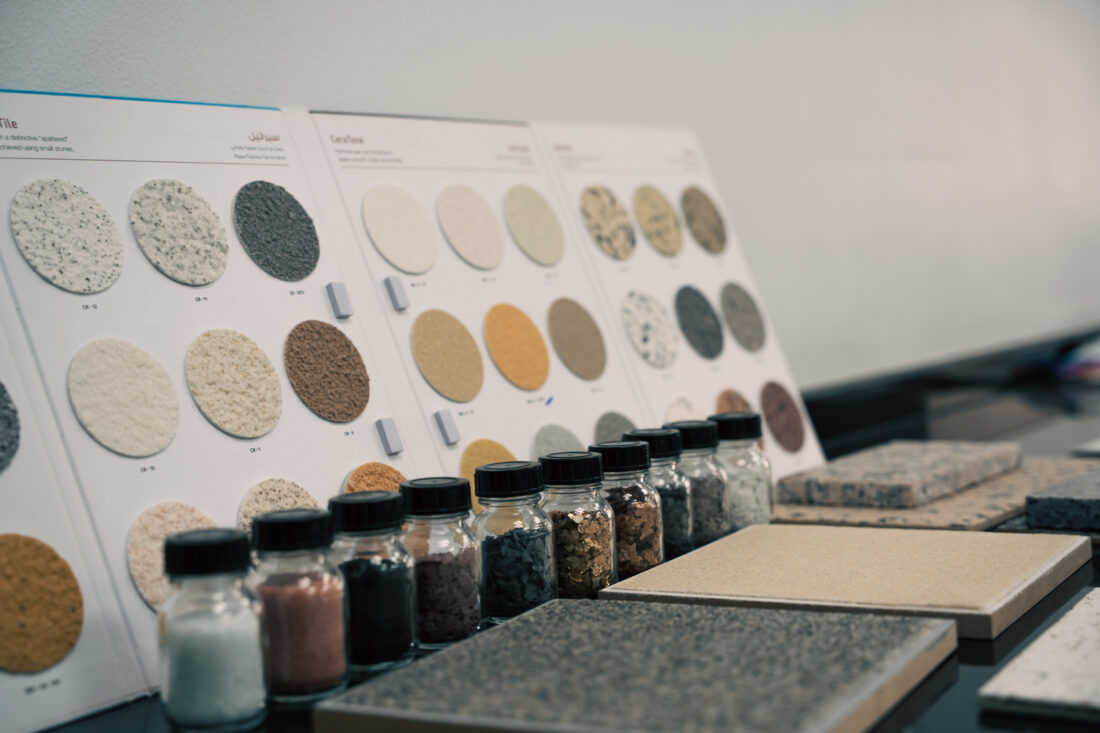
We have also introduced new binders and raw materials that significantly reduce emissions, reinforcing our commitment to sustainability. Our exterior solution, CapaStone, remains a standout product in the region. Designed to replicate the beauty and texture of natural stone, it has proven particularly popular locally. We have since enhanced this range with advanced raw materials and a broader colour palette, improving both durability and aesthetic flexibility.
Which markets in the Middle East, Africa, or Asia show the strongest growth momentum going into 2026?
The UAE continues to be our largest and strongest market, with solid growth across all sales channels. The country’s active construction and design sectors continue to drive demand for premium, eco-friendly, and high-performance coatings.
Beyond the UAE, Iraq has emerged as our Best Newcomer market. In 2025, we successfully implemented a new go-to-market strategy by partnering with a main importer, enabling more streamlined operations and stronger local responsiveness.
East Africa, particularly Kenya, also shows strong momentum. With our new office in Nairobi and increasing market interest, we are seeing promising project wins that highlight the region’s appetite for Caparol’s products and expertise.
How do you see functional coatings—such as thermal, anti-bacterial, or high-durability solutions—shaping the future?
Functional coatings are increasingly shaping the future of the industry, driven by growing awareness among end users and stakeholders. Customers are prioritising solutions that enhance health, energy efficiency, and long-term durability.
Architectural projects accounted for 68% of the market in 2024 and are expected to grow at a CAGR of approximately 4% through 2030. There is rising demand for fade-resistant, textured, and dirt-shedding solutions, requiring continued innovation from manufacturers.
As awareness around energy conservation increases, thermal coatings are becoming essential to improving building performance and meeting regulatory requirements. At the same time, anti-bacterial and wellness-focused coatings are becoming standard expectations rather than niche offerings. This shift presents an opportunity for Caparol to lead by delivering solutions that balance performance, sustainability, and design flexibility.
What colour directions or themes do you predict will lead design trends in 2026?
In 2026, colour trends will be defined by confidence, contrast, and more intentional use of colour. We are seeing multiple colour narratives emerge simultaneously, ranging from soft, calming shades to bold, expressive hues.
Colour is increasingly being used to define mood, identity, and function, rather than serving as a neutral backdrop. This is reflected in the growing use of architectural elements, feature surfaces, and zoned applications. The ‘statement coat’ approach, in particular, is expected to see continued growth.
Sustainability remains a strong influence on colour choices. Caparol’s research shows that environmental awareness plays a key role in colour selection, with strong interest in earthy, nature-inspired tones. These are warmer, more expressive shades that reflect landscape, materials, and light.
Materiality and tactility are also becoming increasingly important. Natural materials, textured finishes, and handcrafted details contribute to interiors that feel more human and grounded. Colours such as Oase Green and Warm Terracotta pair seamlessly with these elements, while solutions like CapaStone reinforce the shift towards finishes that offer depth, authenticity, and character.
What will Caparol’s top priorities and focus areas be as you look ahead to 2026?
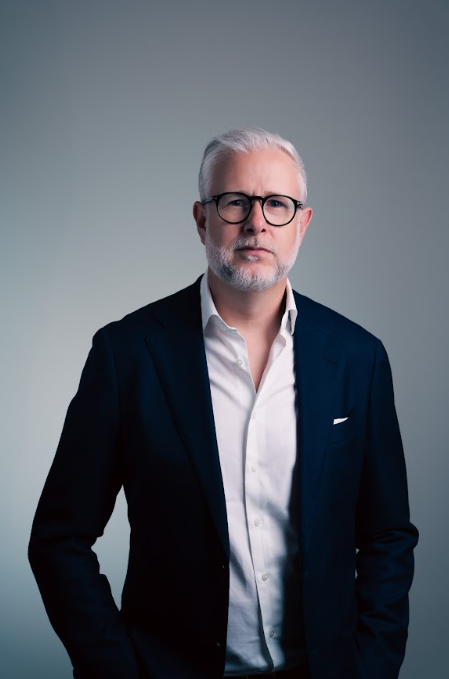
Our priority remains delivering high-quality surface and coating solutions tailored to regional climate conditions, supported by over 130 years of expertise and strong regional R&D.
Staying close to our partners and customers will remain central, with increased collaboration across retail, project, and specification channels, supported by on-ground technical expertise.
From an operational perspective, decentralising manufacturing is a key focus. A new manufacturing facility, expected to be announced shortly, will enhance supply resilience and speed to market.
Africa will continue to be a strong growth focus, with a strategy centred on building sustainable local presence while maintaining global quality standards. Organisational development also remains critical, with continued investment in talent, safety culture, and capabilities to support the next phase of growth.