Lifestyle Before Luxury With H&H
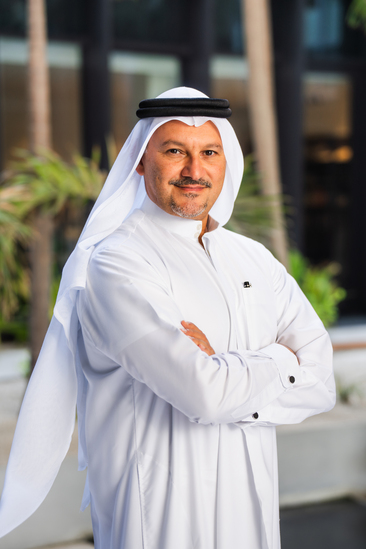
Shahab Lutfi, Chairman of H&H, shares how a lifestyle-led philosophy shapes Dubai’s evolving real estate landscape
What inspired H&H’s holistic approach?
Our holistic approach began with a very clear ambition: to bring a level of quality, sophistication and depth to the Dubai market that did not previously exist.
When H&H was established in 2008, the market was largely transactional. Very few developers focused on detail, lifestyle or the expectations of a high-end, discerning client. We believe that if you are developing for a luxury audience — whether in five-star hospitality or premium residential — you must deeply understand how the client lives.
That means understanding daily rhythms and habits: how they start their day, when they train, how they relax, the level of service they expect, and the details that make them feel comfortable in a space. Design, service and management must all stem from that understanding of lifestyle.
As client expectations evolve, the model must evolve too. We have seen a shift from homes designed to feel like hotels to hotels designed to feel like homes. Today, many luxury hotels want their suites to feel residential, while some residents want hotel-style services. Our role is to recognise these shifts and respond thoughtfully.
In essence, this lifestyle-led mindset defines H&H’s holistic philosophy. Whether we are designing and developing an asset, managing it or delivering a service, everything begins with the client’s needs.
How has your experience shaped your leadership style?
I have been in real estate for over two decades, working on master-planned communities, project launches, sales strategies and investment-led developments before founding H&H. At the time, everything was driven by fundamentals: pricing, returns, target clientele, unit sizing, quality and brand alignment.
However, we identified a gap in the market — the opportunity to combine commercial discipline with a more considered, lifestyle-driven approach to development. That is where H&H was born.
Investment discipline remains central to how we operate today. We do not pursue projects for recognition alone; we focus on developments that are commercially sound and thoughtfully designed. Every project must make financial sense while delivering exceptional quality — in the buildings we create, the materials we use and the services we provide.
To achieve this, we examine everything at both macro and micro levels. I would describe my leadership style as strategic in vision and hands-on in execution.
We begin with the big picture — vision, positioning and long-term intent. But true differentiation lies in the details: the materials in a lobby, the finish of a surface, the level of service and the operational experience.
Moving from macro thinking to micro execution is not easy, but it is precisely what creates distinction. My role is to guide our teams and embed that mindset across the organisation. Our objective is always to exceed expectations. If something looks good in a rendering, the finished product should look even better.
What major shifts are shaping Dubai’s real estate market today?
Dubai has evolved significantly, but the real shift began post-COVID. While many global cities struggled, Dubai demonstrated exceptional governance — from health and safety management to overall quality of life.
Today, Dubai is not merely a regional hub. It is a true global city competing directly with major capitals and attracting talent, capital and businesses from across Europe, the United States and beyond.
Where the city was once largely transient, residents are now purchasing homes with permanence in mind. Many who lived here for 10 or 15 years without buying are now committing to ownership. Initiatives such as the Golden Visa have created security and confidence. Families see Dubai as a place where their children can grow up — and eventually return.
This shift from temporary residence to long-term homeownership has transformed the market. Dubai now offers everything from master-planned communities to premium branded residences.
Branded residences provide familiarity, trust and service consistency. Buyers understand that established global brands protect their reputation and enforce standards. Whether it is Four Seasons or Rosewood, there is reassurance in knowing what to expect.
Eden House, our flagship homegrown residential brand, represents something different. It is not a hotel, nor a conventional luxury residence. It is deeply personal.
Eden House is defined by human connection and thoughtful gestures — knowing residents by name, creating meaningful experiences for children, anticipating needs before they are expressed. It is assistance offered before it is requested, or security staff who genuinely care as a child heads to school.
These moments create emotional connection. Eden House is about being one step ahead of expectations without overcomplicating the experience. It is residential living with intuitive service at its core.
As more Eden House developments open and residents experience them first-hand, word of mouth becomes powerful. The brand is understood through lived experience — because we are focused on residential life, not simply hotel operations.
How do you maintain consistency across H&H’s diverse portfolio?
The answer is simple: the devil is in the detail.
We constantly assess where we can improve — whether in service, product quality or asset management. Consistency is not accidental; it is maintained daily.
I communicate directly with teams at all levels, from senior leadership to on-site maintenance staff, because everyone must understand that small details matter. Often, these are things the client may not consciously notice — but they will feel the difference. And we must see them before the client does.
What core principles guide H&H’s growth today?
Passion is fundamental. If you are genuinely passionate about what you do — whether designing a home, managing a building or delivering a service — excellence becomes instinctive. You think about it constantly and care deeply about the outcome.
What is your long-term vision for H&H in the region?
We have delivered projects outside the UAE — in Qatar and Saudi Arabia — but our core business remains here. Real estate is inherently local. You must understand market dynamics, pricing, regulations, contractors and authorities. For that reason, our primary development focus will remain within the UAE.
That said, some of our brands have regional and international potential. Eden House, as a hospitality-led residential concept, has the ability to expand globally.
Development, however, will remain largely local. We anticipate introducing more projects across the UAE — from standalone developments and branded residences to master-planned communities and mixed-use destinations incorporating residential, commercial, retail and F&B components.

Latest Magazine