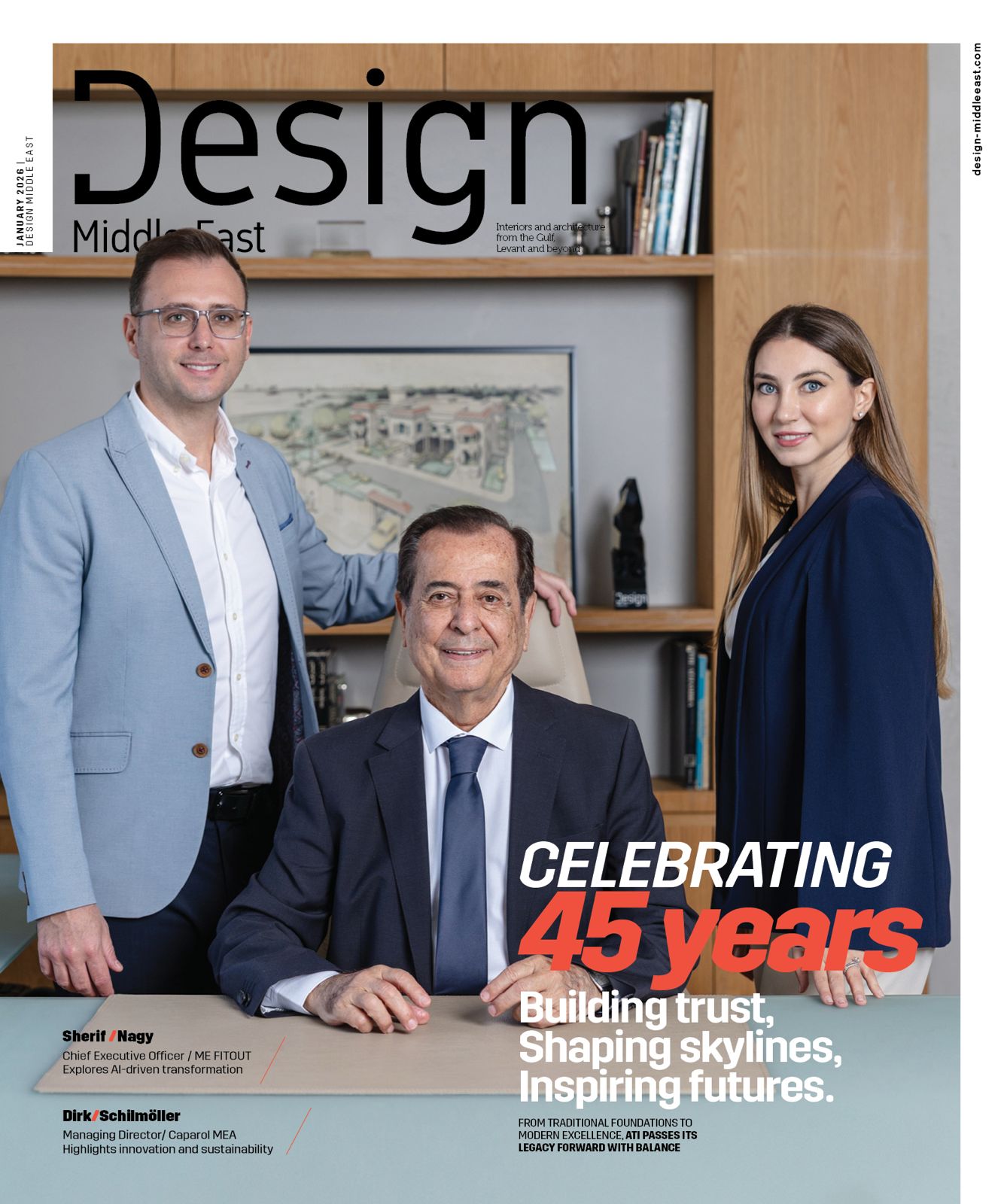

Martin Rosocha, managing director at Caparol Arabia on how the paints industry is coping with the outbreak of COVID-19 in the region
COVID-19 is having a large impact on the Middle East region. Many industries are being affected and need to adjust to a new “normal”. Lockdowns and closures of businesses will drastically reduce outputs. Supply chains worldwide are already experiencing disruptions in delivery channels. Global raw material supply is becoming more and more of a challenge, so there is a push for more in-country sourcing where possible. The main effects will be seen in the second quarter of this year and the negative impact will last for quite some time, well into 2021. In this downturn COVID-19 plays a major role, but so does the drastic decrease in the oil price. This will have a long-lasting effect on a region that is still largely dependent on oil revenues.
The paint industry continues to support vital infrastructure and construction projects, assisting the government response to COVID-19 through projects in the healthcare, utilities and transport sectors. The Middle East paint industry is an important sector for regional economies employing thousands of people. To minimise the impact of disruption from the COVID-19 related measures and effects, companies are prioritising and re-adjusting raw material and supply sourcing. Production and inventories are carefully managed to ensure that customer orders can be fulfilled on time and stock levels are kept under control. Cash flow management must also be addressed to ensure business continuity and operational viability. Strict health and safety measures, including enhanced hygiene measures, have been implemented across the paints industry. Government restrictions and guidance is being followed through social distancing practices as well as frequent on-site disinfection, cleaning and hand-washing. Remote working has been implemented too, reducing on-site staffing levels to only essential workers.
 Like all sectors, paint businesses are focused on protecting public health, particularly the safety of employees and customers. Frequent communication is also vitally important, whether that be amongst internal employees, or external partners and customers, to manage expectations. As a global business, we already have the technology and infrastructure to swiftly adapt to remote working. Video conferencing is already used widely across the company and on an international level within the whole group. Designers and decorators are potentially feeling the pinch, with non-essential maintenance and decoration being delayed or postponed. For existing projects, business price pressure is increasing. “Re-pricing” is now the new normal in the construction industry, which increases the existing price pressure in the market. On the one hand, it increases the need to become more efficient in the construction processes by a more standardised approach using BIM, modular construction, and 3D printing techniques among others. On the other hand, the price compression on building materials might lead to lower quality levels in construction. Despite the effects of the virus and even more of the low oil price, there are certainly some signs of positivity in the mid-term. Construction remains a vital part of the economies in the region. Many countries have development plans, which might now be delayed, but will continue with the support of the local governments. People are also becoming far more conscious of the health benefits of different types of paint.
There will be increased attention on indoor air quality and paint, which could support anti-viral efforts, will be put in the spotlight. Awareness about health and well-being issues will be enhanced among government agencies but also the people living in apartments and houses. This could lead to a greater demand for such products, especially when lockdowns cease, from homeowners as well as organisations such as healthcare facilities and schools. As a positive outcome of this pandemic and as an opportunity, there will be a different level of hygiene in the future and a far greater awareness of how paints can be complementary to healthier lifestyles.