From Upgrade to Upside: Renovation Redefines Dubai Real Estate Returns
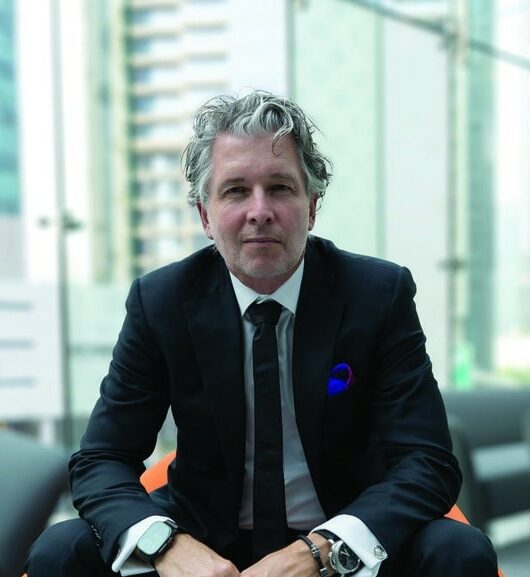
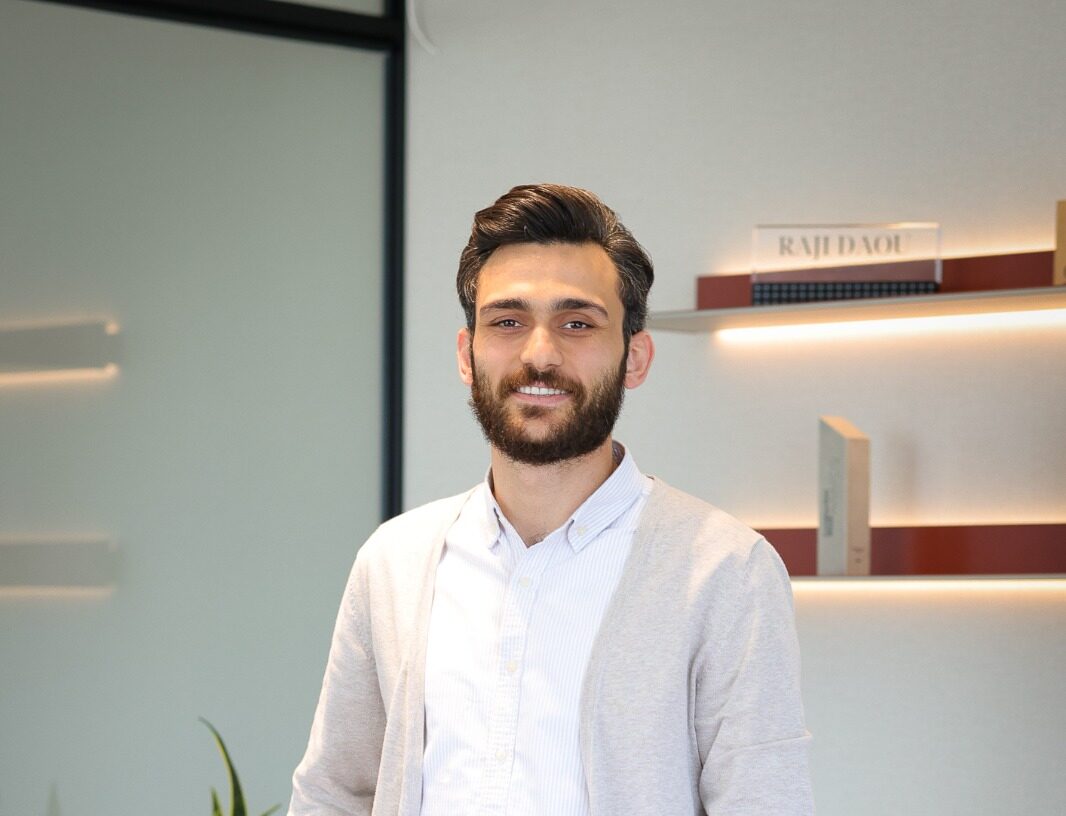
Tareq Wahdi, Senior Interior Designer at DMDC, explains that design-led renovations are driving renewed excitement and premium valuations
Dubai’s property market has entered a new phase where renovation is driving as much excitement as new builds.
Across communities like Palm Jumeirah, Dubai Hills Estate, and Emirates Hills, homeowners and investors are discovering that upgrading existing villas can deliver remarkable returns. Reports from DMDC, one of Dubai’s leading construction and interior design companies, suggest that renovated properties in Palm Jumeirah alone are yielding an estimated 50% ROI upon resale, underscoring the strength of this trend.
Investor participation now accounts for nearly 40% of DMDC’s turnover, reflecting growing confidence in the value of reimagined homes.
In just four years, the firm has grown from a single employee to a workforce of more than 800 professionals, delivering over 350 projects across Dubai’s key areas. With signed projects worth Dh223 million and consistent 8x year-over-year growth, DMDC’s trajectory mirrors the momentum of Dubai’s booming renovation market.
Tareq Wahdi, Senior Interior Designer at DMDC, outlines the villa design trends set to define 2026 – a year where simplicity, authenticity, and timelessness are expected to eclipse spectacle.
- Understated elegance
The era of bold, ostentatious interiors is fading. According to Wahdi, homeowners now prefer serene, personal spaces crafted with clean lines, refined craftsmanship, and high-quality materials. In a city known for extravagance, this shift toward restraint and authenticity signals a deep cultural change.
2. Warm minimalism
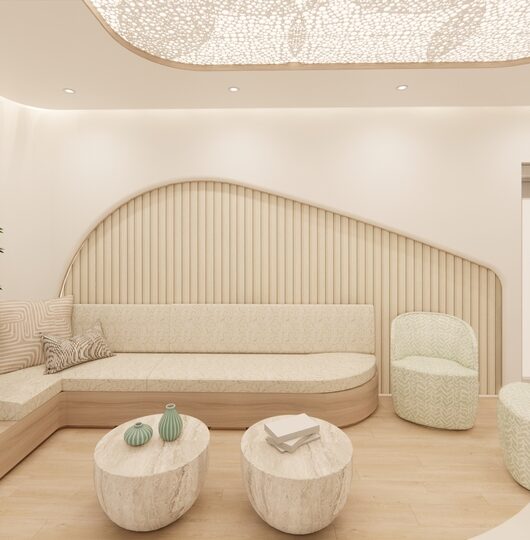
Minimalism is evolving into a softer, more inviting form. Neutral palettes layered with textures create homes that feel lived-in rather than stark. “The focus is more on comfort and warmth, a trend that we expect to continue throughout 2026,” says Wahdi. “Clients want to ensure their spaces are both beautiful and welcoming.”
3. Natural, earthy materials
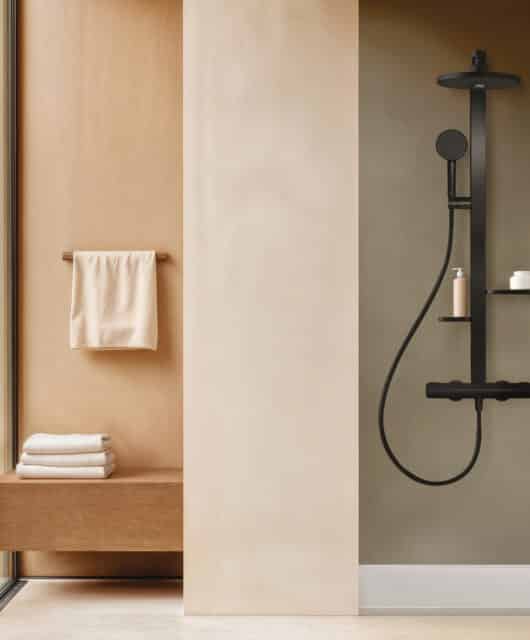
DMDC designers have noticed a preference for stone, travertine, wood, and lime plaster, all of which are becoming staples in villa interiors.
These materials not only connect homes to nature but also offer practical benefits in Dubai’s climate, such as temperature regulation. The seamless indoor–outdoor continuity further enhances villa living, blending interiors with gardens and courtyards.
4. Homes built around lifestyles
Design in 2026 is set to be increasingly client-centric. Villas are being tailored to reflect individual lifestyles and daily rhythms, with layouts designed for flexibility and adaptability.
Wahdi agrees, commenting: “Homes are no longer static showpieces, but dynamic environments that evolve with their residents. People want their homes to be in sync with their daily lives – whether that means smart integration, a specific layout, or a meditation area to wind down after a long day.”
5. Efficiency over elegance
Luxury is shifting from spectacle to functionality, according to DMDC designers. Features like hidden storage, multi-purpose rooms, and discreet technology integrations are becoming standard. This reflects a broader cultural shift where time and space are precious, and homes must work as hard as their owners do.
6. Timeless design
“This is perhaps the most important trend we foresee in 2026,” says Wahdi. “There’s a clear rejection of fleeting fashions. Dubai’s villas are being designed to remain relevant and beautiful for decades, prioritising longevity over novelty. The new wave of design is quieter, more personal, and enduring, ensuring homes feel authentic and calm.”
2026 will mark a turning point in Dubai’s villa design philosophy. The focus is no longer on spectacle but on crafting timeless, comfortable, and deeply personal homes. For investors, homeowners, and designers alike, this evolution represents both a cultural and financial opportunity.