 Paolo Rossi, associate director of architecture at Pace, talks about the education spaces in a post-COVID-19 world
When considering the future and how our lives changed in the short space of time since COVID-19, it is indeed obvious that the provision of quality education presents a key challenge for governments across the world. When launching a new project, it is important to ensure that those involved in the design process have a profound understanding of the future that is held with the knowledge of the past. For educational projects, taking into account the historical background of the methods of learning and how they have changed over the years provides a more profound insight into how to propose a positive change for the future.
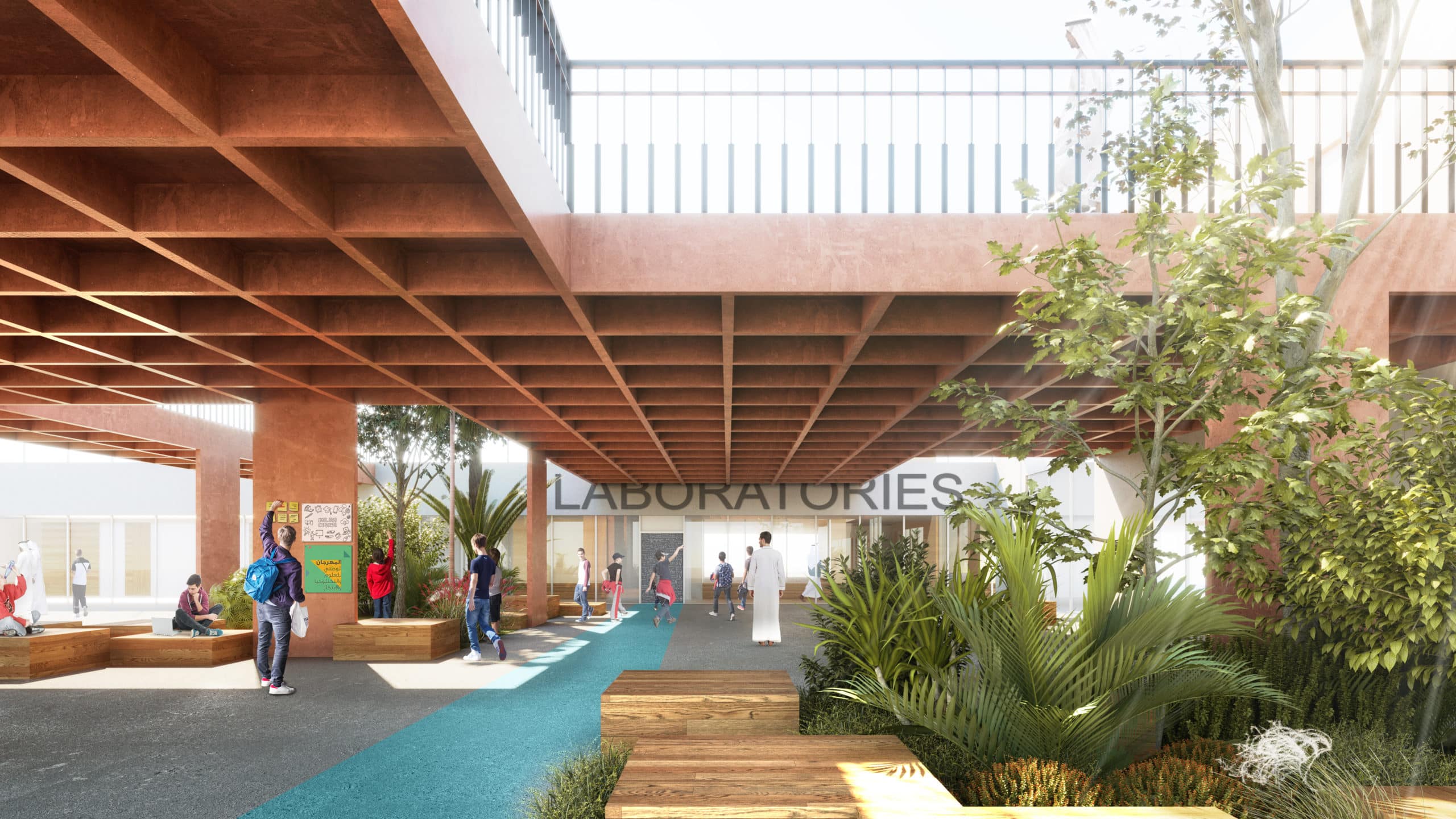
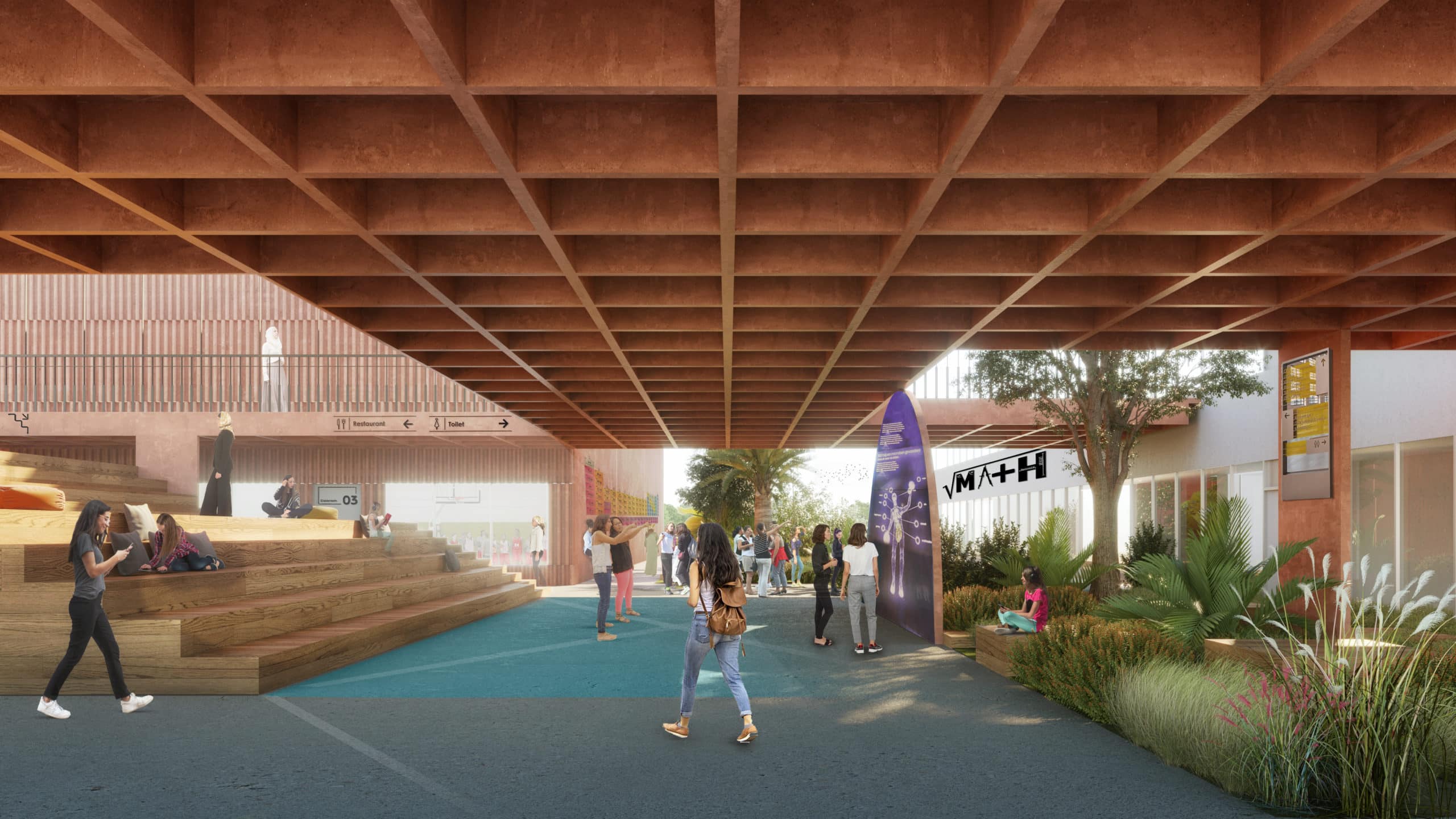
Certainly, the world is rapidly moving away from traditional teaching methods where teachers and classrooms are the epicentres of the school – COVID-19 has accelerated a more focussed learning method for students – an approach that is led by technology and experimental learning. The boundaries of educational experiences have extended outside of the classroom and the spaces in-between are becoming more and more essential every day. Learning no longer requires being inside the classroom, or stuck in one classroom layout, rather, it can be extended to spaces such as corridors, staircases or outdoor areas, primarily because research has proven that outdoors is our native learning environment. New informal and larger learning spaces are also being created and can be modified to accommodate additional activities that support extended learning. Spaces such as cafeterias and libraries are starting to take on new dimensions and multiple purposes.
Pace’s designers are bringing this flexibility to educational establishments to support schools in preparing for the future of learning, as well as to embrace the challenges of social distancing and provide healthy and hygienic environments for students and staff alike. To suggest an architectural response, our designs will be based on a school’s layout built on a large external space with an abundance of green spaces, thereby generating new outdoor learning environments and providing natural light and efficient natural ventilation to enhance air quality. An outdoor environment for learning encourages students to be more engaged with their surroundings, reduces stress and creates an opportunity for a happier and healthier learning environment. Security and visual connection are also fundamental as more open and transparent designs play a significant role in rendering any environment safe and secure. In addition, eliminating “dead areas” that are hidden help create a safer and more controlled environment for students. All classrooms should have sufficient areas to provide the required distances between students as well as good natural ventilation through façade windows and internal visual panels.
 As far as interiors go, portable and flexible furniture that can be easily moved and rearranged is what we consider the most convenient option, along with utilising plexiglass shields in a more playful way. We might also take advantage of colour and design in creating wall and floor patterns that promote social distancing in a functional and engaging fashion, such as directing staff and students to follow a clockwise movement to avoid crossings. In the context of COVID-19, school clinics require extra attention when it comes to its design as they should include isolation spaces that are warm and therapeutic. Technology continues to play a vital role in the response to the pandemic, therefore, classrooms can be equipped with the most high-tech devices as interactive teaching walls. Technology can also support a plethora of smart building management systems to monitor security, access control and building automation.