NMSS Celebrates Innovation With Universal Design For Inclusion Winners
NMSS and UAE universities joined forces to empower students to tackle real-world accessibility challenges through innovative design
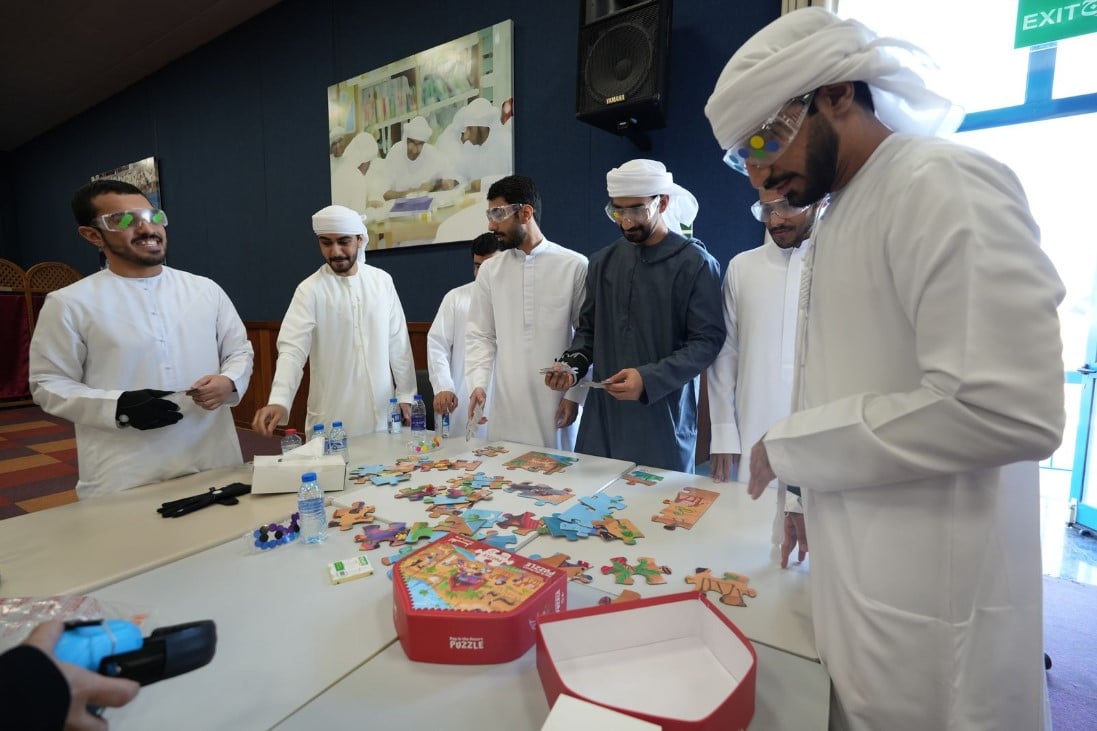
The National Multiple Sclerosis Society (NMSS) has announced the three winning projects of the inaugural edition of the Universal Design for Inclusion Program. Part of NMSS’s youth awareness efforts, the program was delivered in partnership with six leading UAE universities across 11 campuses and supported by more than 45 faculty and industry mentors.
The inaugural cycle brought together over 80 students who worked in teams to submit more than 30 design projects that tackled challenges in three focus areas; cognitive, communication, and mobility, where people living with multiple sclerosis and other chronic conditions often face limitations in daily life.
In the Cognitive category, the winning project was Lexy, an AI-powered tool developed by students at the Higher Colleges of Technology Sharjah that simplifies complex text and tracks clarity in real time. With Arabic language support, the tool offers valuable assistance to people living with conditions that affect memory and concentration.
In Communication, the winning innovation was Ni’mah, a discreet smart bracelet developed by students at the University of Sharjah. The bracelet translates emergency sounds into light and vibration alerts, helping individuals with hearing impairments respond quickly in critical situations.
In the Mobility category, VersaGrip was selected as the winning project. Developed by students at the Dubai Institute of Design and Innovation (DIDI), the AI-powered assistive grip device draws inspiration from Emirati jewelry, blending cultural identity with functionality and reducing stigma around assistive technology.
A first-of-its-kind initiative at this scale in the UAE, the program underscores NMSS’s ongoing commitment to building a more inclusive society through youth engagement and education.
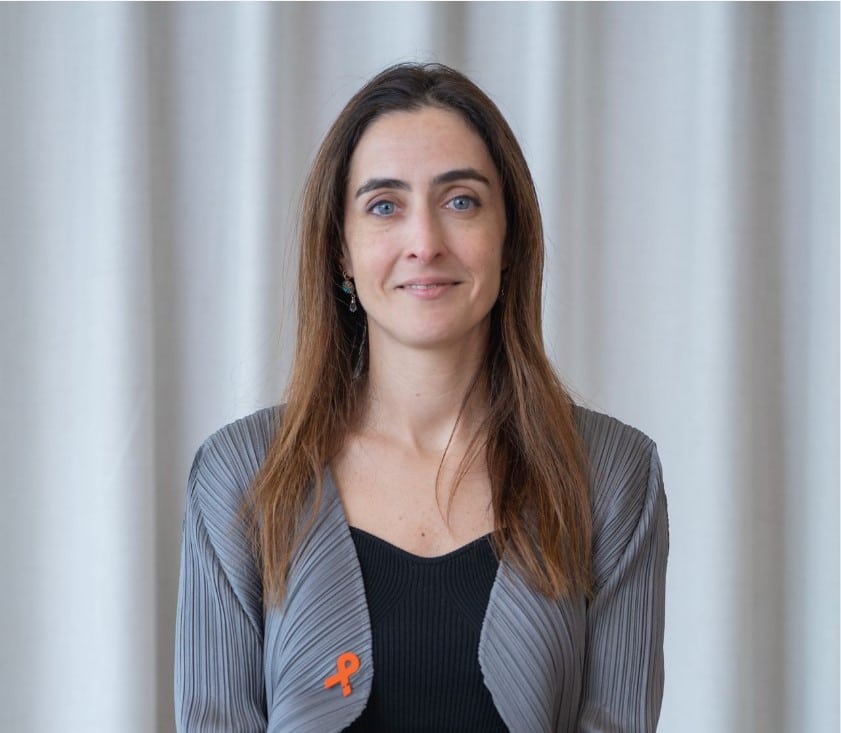
“What stood out in this program was the creativity of the solutions and the empathy behind them.” said Maral Alexandrian, Acting Executive Director at the National MS Society. “Each project reflected a deep awareness of the lived experiences not only of people with MS, but also of anyone whose mobility, communication, or cognitive abilities are impacted in ways that make daily life less accessible. Universal Design does not ask us to accommodate; it challenges us to create a world that works for everyone. By embracing this principle, participants proved that accessibility is not a limitation but a catalyst for innovation. This program is cultivating a generation of problem-solvers whose impact will extend far beyond its walls, advancing NMSS’s vision of a society where inclusion and opportunity are daily realities, not distant aspirations,”
“I extend my heartfelt gratitude to the faculty and leadership of the partner universities. Their dedication to becoming early adopters of the program was truly instrumental in its success.” She concluded.
The program aims to equip university students with the knowledge and skills to create designs that are universally accessible and culturally relevant, while raising awareness of how thoughtful innovation can make life more inclusive.
Delivered in partnership with Abu Dhabi University, Al Ain University, Dubai Institute of Design and Innovation (DIDI), Higher Colleges of Technology (HCT), Khalifa University, and the University of Sharjah, the initiative provided students with opportunities to explore inclusive design through empathy workshops, interactive sessions with people living with chronic conditions, and mentorship from industry professionals.
The Universal Design for Inclusion Program reflects NMSS’s commitment to youth awareness by preparing the innovators of tomorrow to view accessibility as a foundation for progress. By equipping emerging professionals with the principles of Universal Design, we can ensure the next generation enters their fields ready to embed accessibility and inclusion from the very start.


Latest Magazine