Bianca van der Merwe and Henrique Dias of DLR Group Middle East explore how hospitality spaces can foster stillness and presence. Their approach to “quiet luxury” embraces comfort, authenticity, and intentional design.In a fast-paced world, they champion the beauty of slowing down
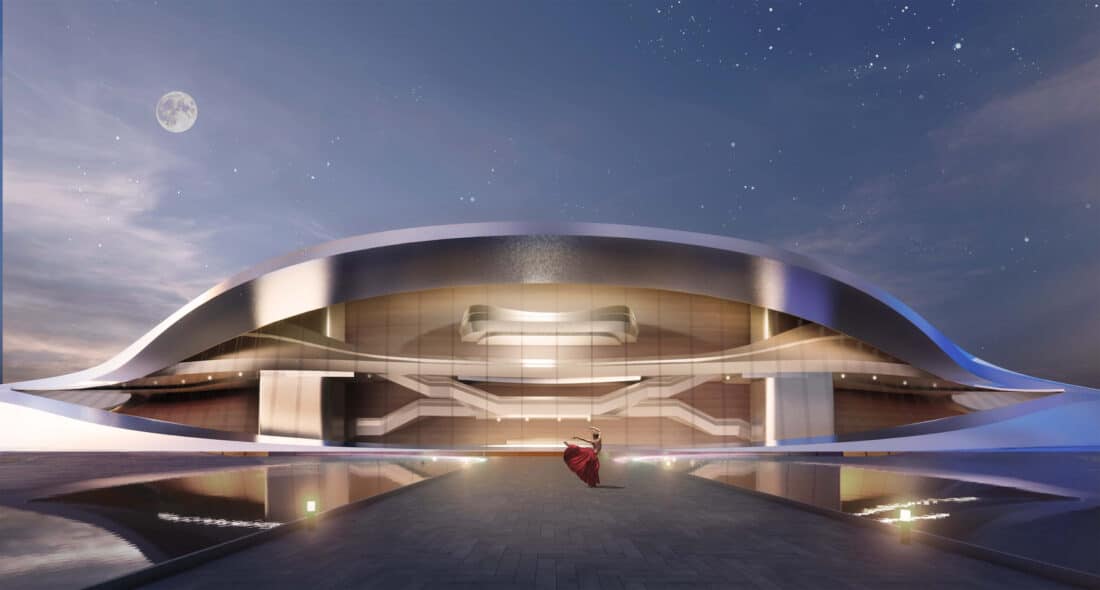
In recent years, a powerful shift has taken place in how we live, travel, and design. Born from a growing dissatisfaction with the fast pace of modern life—and accelerated by the global slowdown during the pandemic—the slow living movement emerges as a conscious lifestyle philosophy. At its core, slow living invites us to pause, breathe, and reconnect with the present. It celebrates quality over quantity, depth over speed, and presence over performance.
What begins as a personal approach to daily life, such as mindful eating, unplugging from technology, and embracing nature, now finds a natural home in hospitality. Today’s guests are not just looking for comfort but meaningful experiences. They want environments that help them unwind, restore, and reconnect with themselves, nature, and their culture.
Designers and architects face a growing question: How can we create spaces that not only look good but also feel meaningful, intentional, and restorative? This question marks a turning point in how we approach design in the hospitality sector. that convey a sense of slowness, softness, and soulfulness? Enter Slow Living Design, a design ethos transforming the hospitality landscape through intentional choices in architecture and interiors.

What Is Slow Living Design in Hospitality?
Before we delve into Slow Living philosophies within hospitality design, let us understand this new movement. In short, it involves slowing down to appreciate life’s simple pleasures and create more meaningful connections with oneself, others, and the world.
This approach to hospitality design embraces intentionality, sustainability, and serenity. It directly responds to guests increasingly craving authentic experiences, emotional comfort, and a deeper connection to place.
In hospitality, this means transitioning from generic opulence to cozy minimalism, local artistry, and nature-based aesthetics—places that offer a refuge, not simply accommodation.
This philosophy does not begin and end with interiors. As Henrique Dias, Hospitality Design Director for DLR Group Middle East, highlights, the slow living movement reshapes how hospitality destinations are created, from site selection and orientation to how guests physically move through a property. Architecture becomes the framework for emotional pacing, creating intentional transitions between public vibrancy and private tranquillity.

Key Elements Shaping the Trend
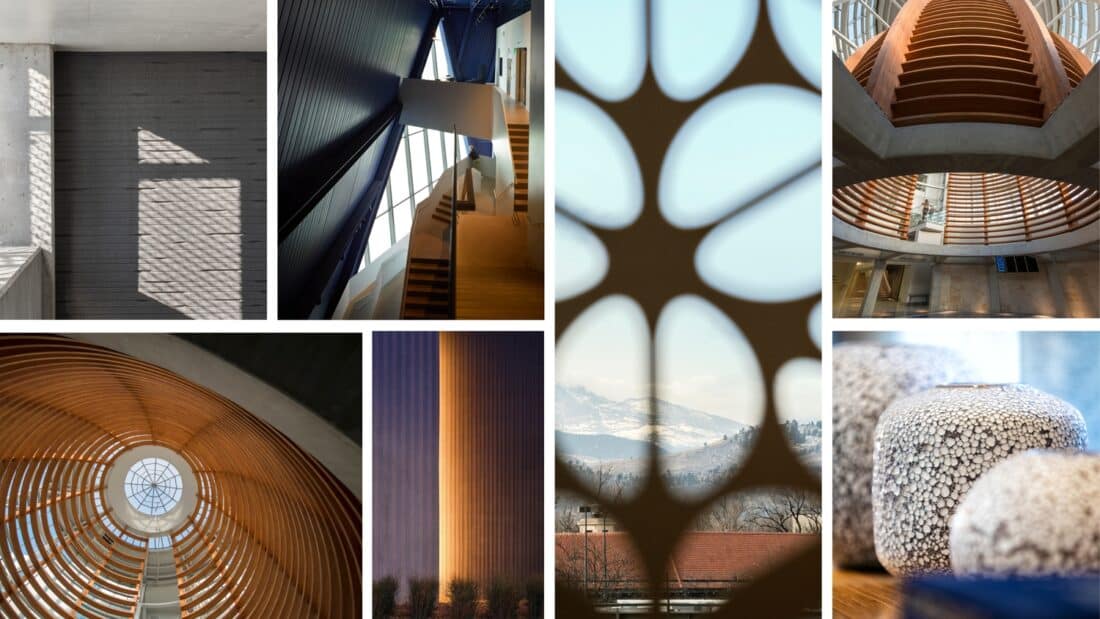
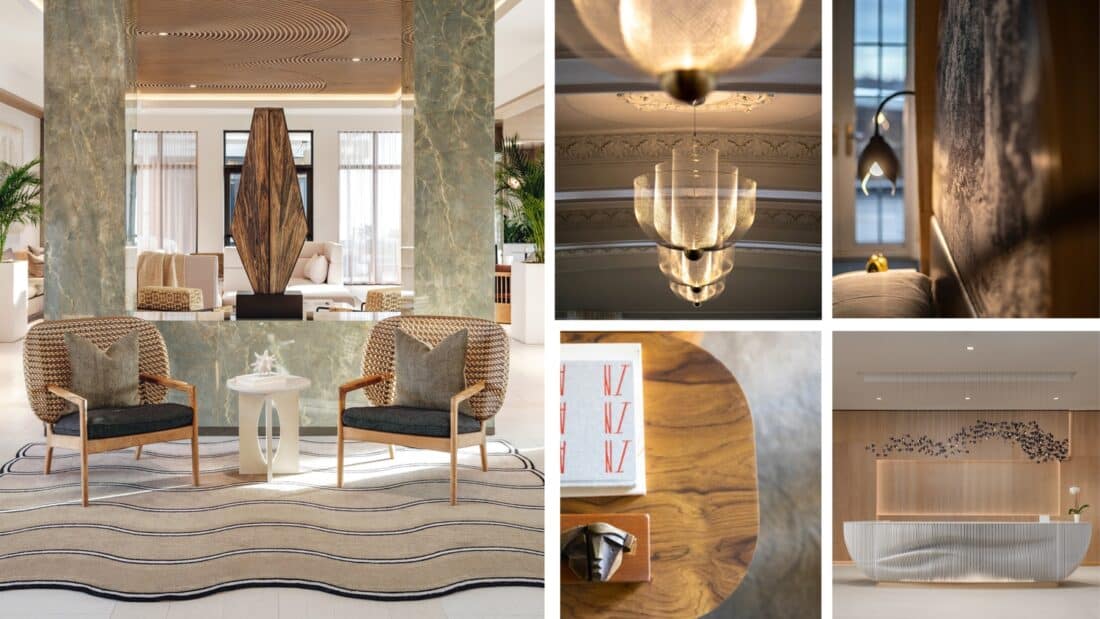
Thoughtfully curated interiors shift away from flash and spectacle, focusing instead on meaning and intention. Every element—from lighting and furniture to artwork and textiles—is chosen carefully. At the heart of hospitality lies the art of storytelling, and these stories are shaped through deep immersion in the local context. Design becomes a narrative tool, where handcrafted furnishings, regionally sourced art, and tactile materials are decorative and expressive of place, culture, and memory.
While interiors create the emotional touchpoints, architecture sets the rhythm of the experience. Architecture supports this storytelling through spatial choreography—slow ramps instead of elevators, framed views that invite pause, and transitional courtyards that allow guests to decompress as they journey from one space to another—slow ramps instead of elevators, framed views that invite pause, and transitional courtyards that allow guests to decompress as they journey from one space to another.
How to Design for Slow Living
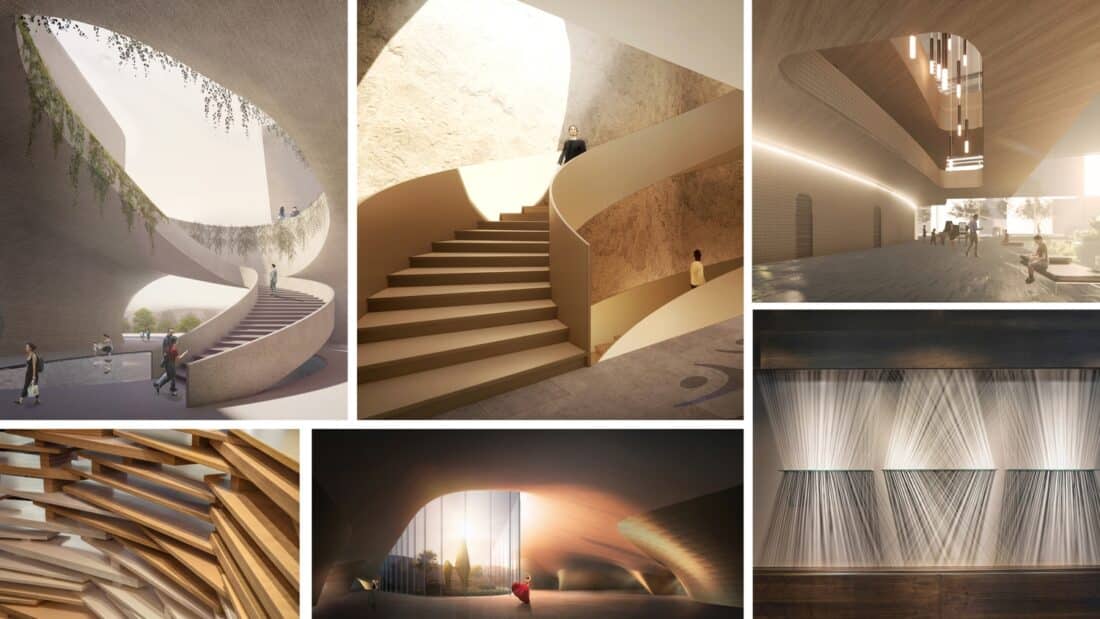
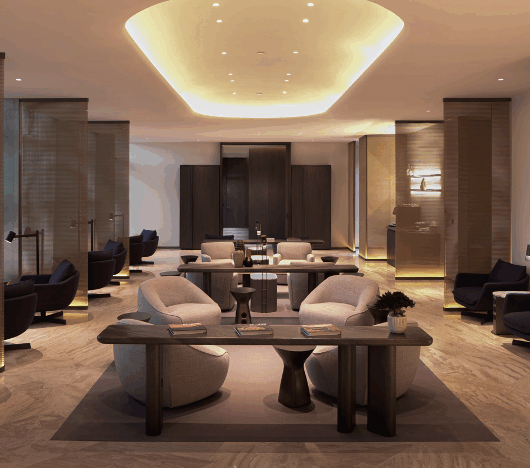
Neutral color palettes and natural materials such as wood, stone, linen, and clay in the interior design of the space bring tactile warmth to the desired moments. These choices not only elevate the aesthetic but also enhance the sensory well-being of each guest in that space.
Architecturally, these materials are celebrated in finishes and embraced structurally. Rammed earth walls, exposed trusses, lime plasters, and locally quarried stone re-emerge as low-impact, high-character materials that ground buildings in place.
The seamless connection of indoors and outdoors lends itself time after time to spaces that not only restore but rejuvenate the simple aesthetic and overall sensory experience. It nurtures a sense of calm, enhances functionality, and reconnects us with rhythms often lost in modern life.
Lighting design is soft, layered, and adaptive, echoing the gentle rhythms of the natural world as it shifts from dawn to dusk. It creates atmospheres that soothe rather than startle, inviting rest, reflection, and presence. Equally essential is acoustic planning, which crafts a soundscape of serenity, promoting quietude in private retreats. Together, these sensory details awaken a more profound sense of harmony, turning interiors into sanctuaries of stillness and renewal.
Architecture, in parallel, supports these sensory intentions by shaping the envelope. Sloped ceilings that mimic the landscape, materials that diffuse sound, and operable facades that let in fresh air and birdsong aren’t luxuries. They are the foundations of slow living in built form. When architectural planning responds to sun angles, prevailing winds, and regional planting, it strengthens the biophilic experience and ensures guests feel organically tuned into their surroundings. A courtyard in the Asir region or a wind tower in Al Ula can do more than cool air—it can connect a visitor to culture, climate, and time.
Why It Matters for Hospitality Now
This evolution in design isn’t happening in a vacuum—it mirrors how guests themselves are redefining what luxury means. As preferences shift from consumption to connection, Slow Living Design is emerging as both a response and a catalyst.
Today’s travelers are increasingly value-driven, seeking experiences that align with their beliefs, lifestyles, and aspirations. Rather than prioritizing luxury for its own sake, many now look for purpose, authenticity, and sustainability in the places they choose to stay. Whether they are committed to environmental responsibility, desire to support local communities, or long for spaces that foster wellness and mindfulness, deeper intentions guide today’s travellers. In short, people want meaningful moments.
Slow Living Design meets this need by creating environments that foster genuine relaxation, cultural immersion, and wellness-oriented living, all without sacrificing sophistication or comfort. This also aligns with key industry metrics: enhanced guest satisfaction, longer stays, positive reviews, and repeat bookings—all outcomes of offering a truly resonant stay.
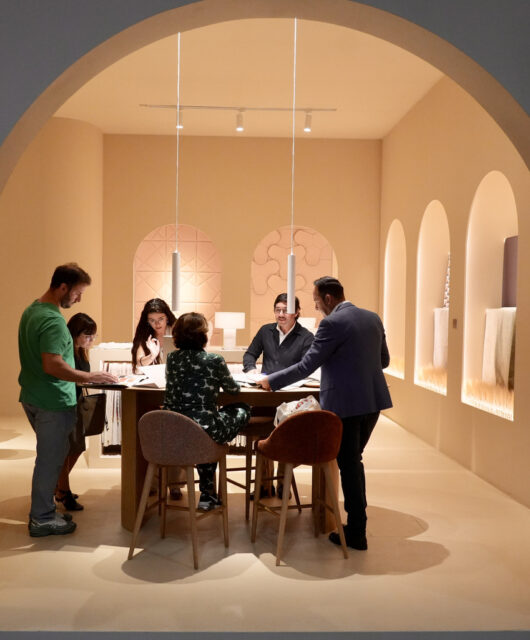
Equally important is rethinking how projects begin. A slow-living-driven hospitality destination calls for early collaboration. Architecture and interiors are not siloed disciplines—they are co-authors. From the moment a site is selected, the architectural response is already in dialogue with how the interiors feel, flow, and function. This collaboration creates spaces guests don’t just pass through—they remember.





Latest Magazine