
Paul Ludlam, Head of Fit Out – Project & Development Services UAE at JLL, explains how involving cost managers from day one can prevent budget overruns, streamline decisions, and deliver office spaces that align with business goals and evolving work models
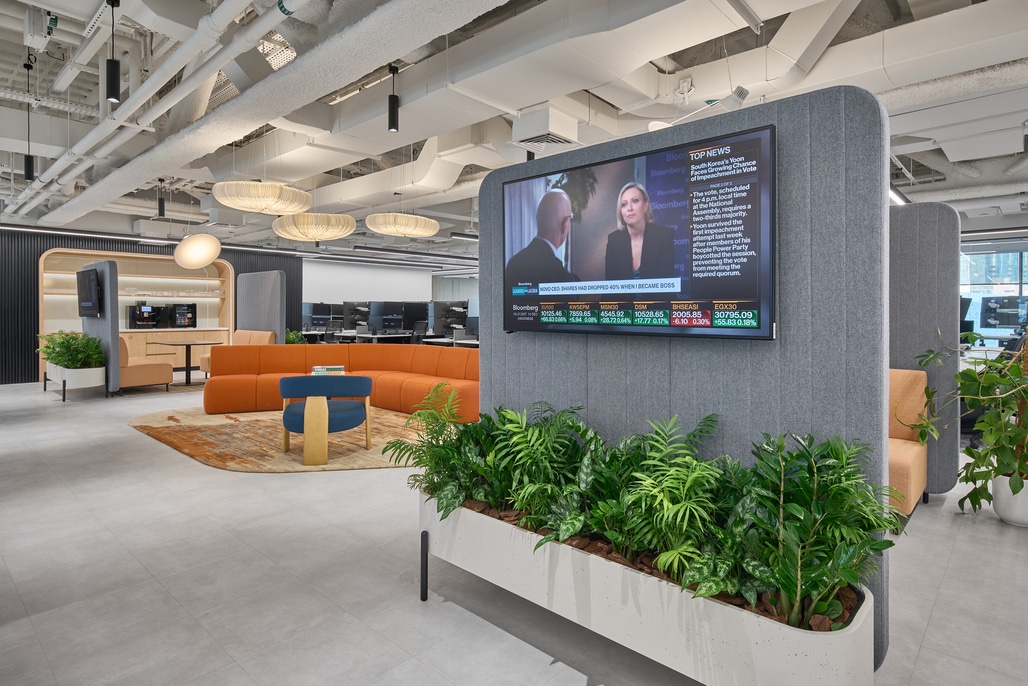
Why engaging cost managers from the outset can save time and money while minimising potential challenges
In the complex world of commercial real estate, office fit-outs represent a significant investment for businesses. Whether relocating to a new space or renovating an existing one, the costs associated with creating an ideal work environment can be substantial.
However, many organisations overlook the critical need for early engagement with cost managers in this process. This oversight often leads to budget overruns, delays, and spaces that fail to meet expectations. By bringing cost management expertise into the equation from the outset, companies can navigate the fit-out journey more effectively, ensuring better outcomes and maximising return on investment.
The complexity of fit-out budgeting
Setting an accurate budget for an office fit-out is far from straightforward. Numerous factors influence the final cost, making it challenging for businesses to estimate costs without specialised knowledge. These factors include:
Location decision: The choice between refitting an existing space or relocating to a new one can significantly impact costs. While staying put might seem more economical, potential disruptions and complexities of in-situ refits can offset initial savings.
Quality and style: The desired quality and style of the fit-out can cause costs to vary dramatically, even within the same city. For example, according to JLL’s Office Fitout-Guide, in Dubai in 2025, a base standard progressive fit-out averaged AED9,285 per square meter, while high-quality traditional projects reached AED12,505 per square meter.
Layout preferences: The trend towards more open, progressive layouts can lead to cost savings, with such designs costing an average of 10% less than traditional enclosed office layouts across the UAE.
Sustainability and ESG goals: The increasing focus on sustainability and net-zero offices can contribute to increase in fit-out costs
Hybrid work considerations: The need to create spaces that support collaboration, and focused work is driving demand for high-quality, tech-enabled office spaces, which is impacting overall costs.
Given these variables, budgeting for an office fit-out clearly requires more than a cursory estimate or reliance on general industry guidelines.
The pitfalls of premature budgeting
One common mistake organisations make is setting fit-out budgets too early in the process, often before defining their workplace strategy or identifying the location to be fitted out. This premature budgeting can result in financial allocations that fail to meet the company’s business needs and expectations.
A more effective approach involves clearly defining the desired workplace strategy and quality of fit-out and then applying these parameters to a specific location before establishing the fit-out budget. This sequence ensures that the budget aligns with the company’s actual requirements and the realities of the chosen space.

The role of cost managers in the early stages
Engaging cost managers at the beginning of the fit-out process offers several key advantages:
Realistic initial estimates: Cost managers bring a wealth of experience and market knowledge, allowing them to provide more accurate initial budget estimates based on the company’s specific needs and goals.
Strategic decision support: By involving cost managers early, businesses can make more informed decisions about location, design, and quality levels, understanding the financial implications of each choice.
Risk mitigation: Early identification of potential cost risks allows for proactive management and mitigation strategies, reducing the likelihood of unexpected costs later in the project.
Value engineering: Cost managers can suggest cost-effective alternatives and solutions from the outset, potentially leading to significant savings without compromising quality or functionality.
Alignment with business objectives: By understanding the company’s financial constraints and business goals, cost managers can ensure that the fit-out budget aligns with broader organisational objectives.
Improved negotiation power: With detailed cost breakdowns and market insights, companies are better positioned to negotiate with suppliers and contractors.
Integrating cost management with other expertise
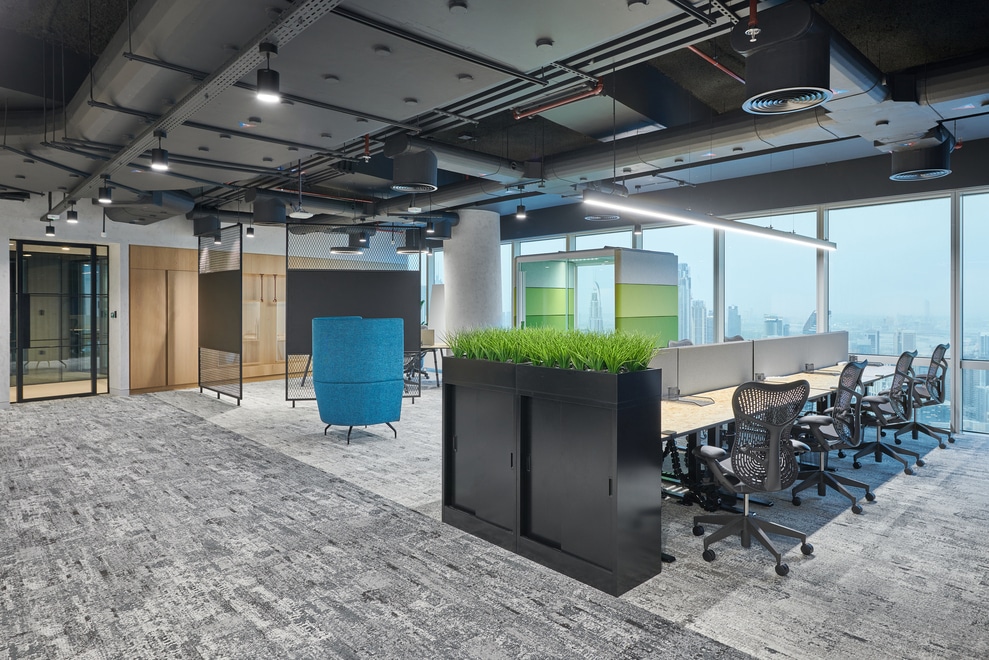
While cost management is crucial, it’s most effective when integrated with other areas of expertise. A holistic approach that combines cost management with workplace strategy, sustainability considerations, and technological requirements can lead to more comprehensive and successful fit-out projects.
For instance, cost managers can work alongside workplace strategists to evaluate the financial implications of different layout options that support hybrid work models. They can also collaborate with sustainability experts to find cost-effective ways to meet ESG goals and achieve desired certifications.
The long-term benefits
The benefits of early cost manager engagement extend beyond the initial fit-out process. Companies can realise long-term savings in operational expenses and potential future renovations by ensuring that the workspace is designed and built efficiently from a cost perspective.
Moreover, a well-planned and executed fit-out that aligns with the company’s budget and goals can significantly impact employee satisfaction, productivity, and talent attraction and retention. In today’s competitive job market, where the quality of the work environment plays a crucial role in employment decisions, this aspect cannot be overlooked.
In the complex landscape of office fit-outs, early engagement of cost managers is not just a prudent financial decision—it’s a strategic imperative. By bringing these experts into the process from the start, businesses can more effectively navigate the myriad of choices and challenges of creating an ideal workspace. This approach ensures that the resulting office environment meets budgetary constraints and aligns perfectly with the organisation’s broader objectives and future needs.
As companies continue to adapt to evolving work patterns and prioritise creating spaces that enhance employee experience, the role of early cost management in office fit-outs becomes even more critical. It’s an investment in expertise that pays dividends throughout the project lifecycle and beyond, helping to create workspaces that are not just cost-effective but truly transformative for the business and its people.