 The fresh year brings new expectations, and designers are rethinking trends to create even more opportunities for innovation and experimentation. We asked the region’s top designers what trends and techniques they’ll use on their drawing boards, taking into account the ongoing pandemic, shifting needs, tight budgets, sustainability, and technology breakthroughs. What could be the driving elements this year for planned projects across the region, from F&B, healthcare, and education building designs, to raw materials, lighting, paints, technology, and more?
BY ROMA ARORA
We asked the region’s top designers to find out what trends and designs they’ll be focusing on in the new year and what they’d want to see.
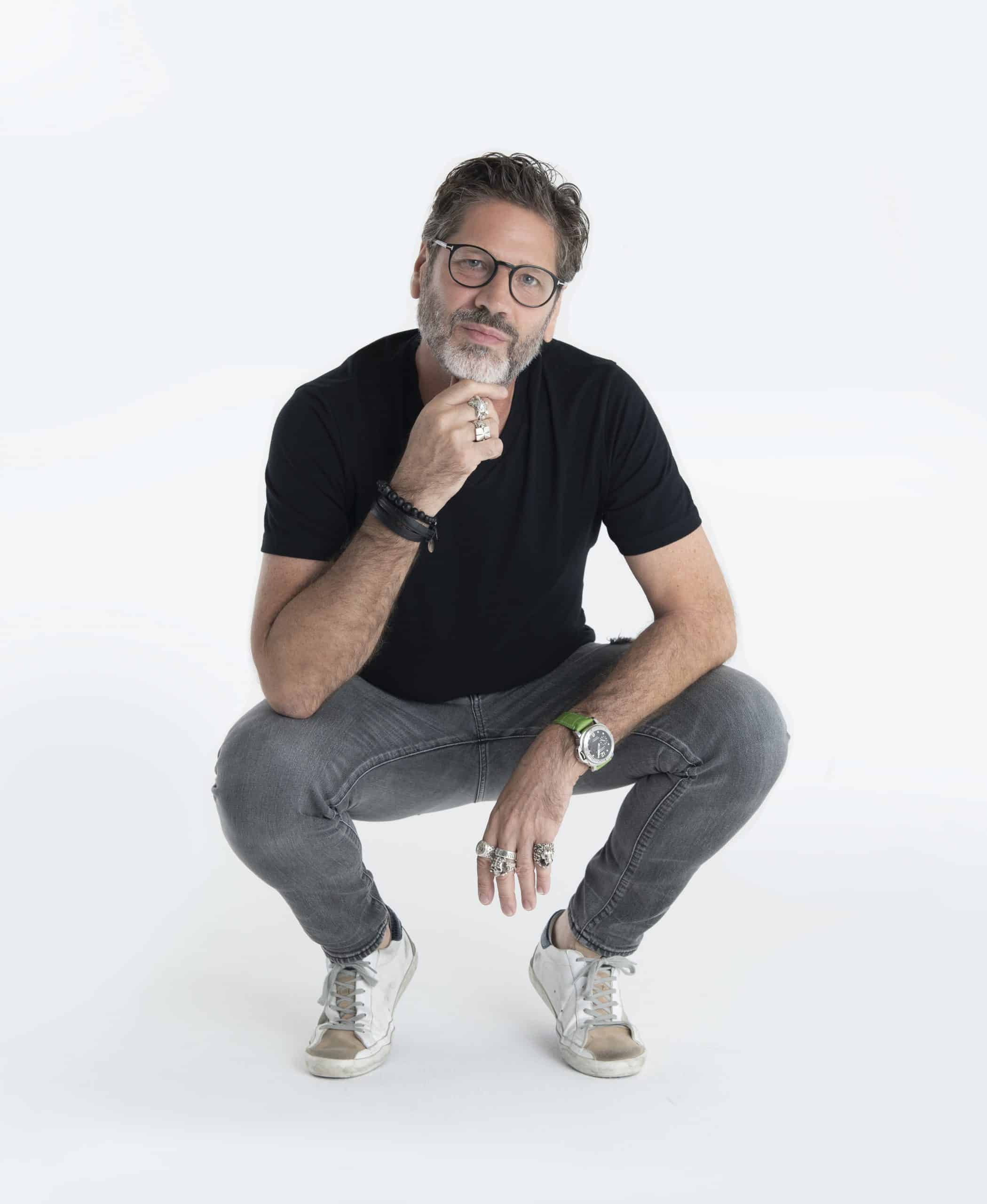
Paul Bishop
Founder, Bishop Design by Paul Bishop
“THERE IS NO MORE COOKIE-CUTTER APPROACH”
 The current projects, especially the ones that we are being approached with, have a common message that resonates through “enough with the pandemic”. We are seeing our clients seeking interiors that celebrate life, above all the post-pandemic life. People want to experience a sense of euphoria again. This is a sentiment that is thriving everywhere, be it Dubai, Saudi Arabia, or across the pond. Projects have become very entertainment-driven and immersive, from family entertainment to high dynamic energy throughout restaurants, bars, lounges, even hotels. Many of our clients are not even considering the pandemic anymore, everyone wants to get back to enjoying life. We see boundaries being broken.
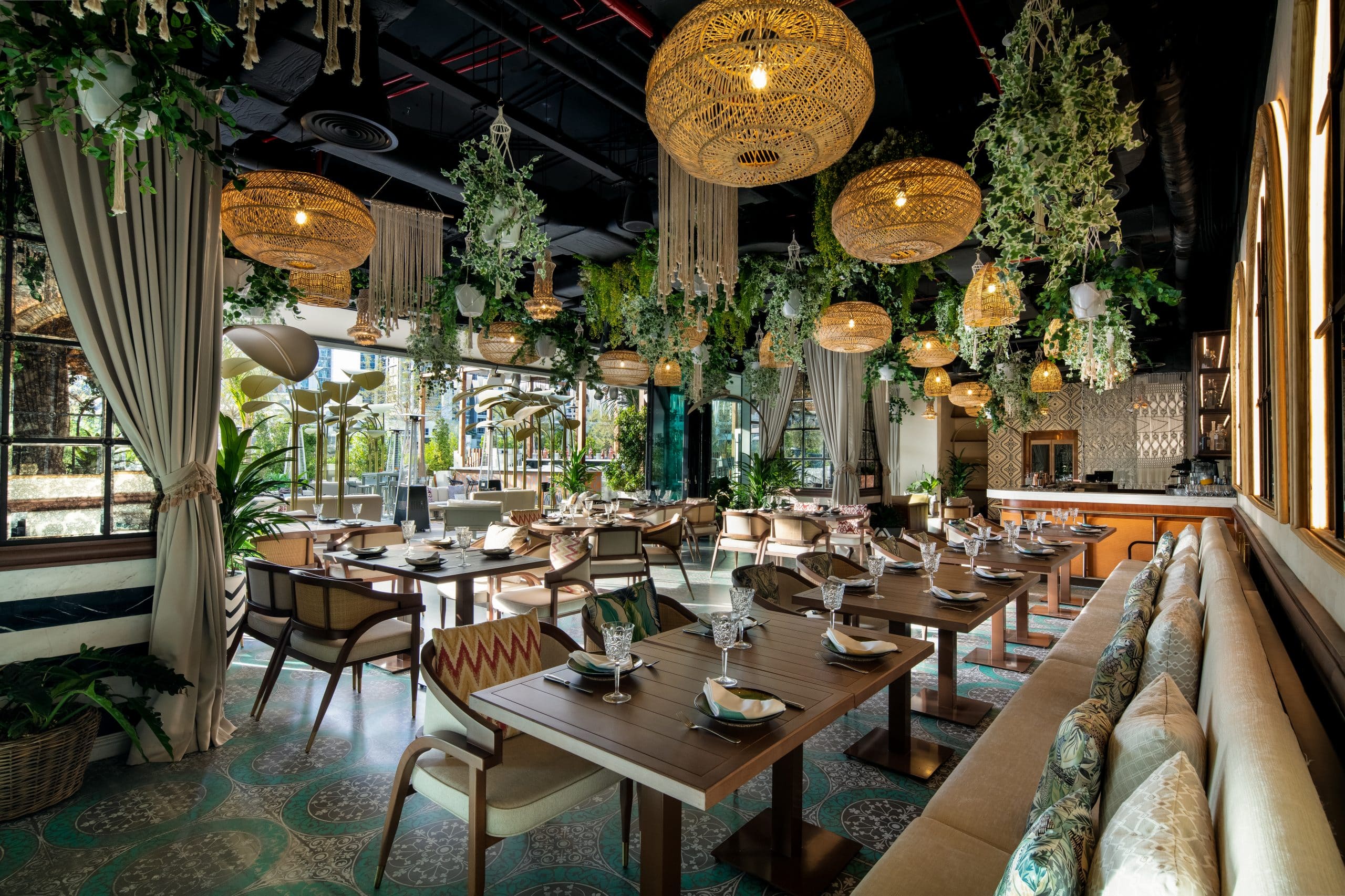
There is no more cookie-cutter approach, places and experiences need to be unique and this uniqueness is celebrated through design. Many of the things we’re working on are completely new, and are discovering new design dimensions and approaches.
There will be no more conservatisms and norms, and stereotypical preconceptions will be broken. Thinking about spaces and the user engagement with them has evolved and again, all of this is driven by entertainment and social interaction. People don’t want to be told what to do.
They want a playground to be who they want to be. Yes, some trends are commonly expected to appear or continue their effect but we do not want to fall into the trap of repeating what everyone else is saying and losing sight of new visions and opportunities, just for the sake of conforming. Design should be alluring, it should excite, tease, and engage.
KRISTINA ZANIC
Owner & CEO, Kristina Zanic Design Consultants
“RETURN TO BASICS.”
 The ‘return to basics’ mindset that was triggered by the pandemic will continue to drive interior design approaches. Comfort and wellbeing will remain at the forefront of designers’ and clients’ minds, especially when it comes to public spaces and hospitality. The focus, thankfully, is about how the space makes you feel instead of how it photographed in a magazine or on social media. After the lockdown stress experienced all over the world in the past couple of years, designers will increasingly be putting the calming effect of nature to good use. Biophilia will continue to be a common thread in the design of spaces, with designers incorporating natural elements to create an indoor connection to nature. Residential and hospitality clients are more aware of the positive effect of plants on psychological well-being and air quality. This will lead to increased use of greenery combined with natural materials in varying tonal ranges. People today are not only interested in a design item but the story behind it as well. This will lead to the revival of the artisans.

Customers want a unique, ethical, and authentic design that celebrates quality craftsmanship, diverse cultures and ancient techniques. And instead of being confined to traditional spaces, these pieces can fit very comfortably today with contemporary styles. Also, in line with an accelerated global sustainability drive, sustainability in design will move forward. The ‘work from home’ movement is not going anywhere and both the home and office will adapt to allow for more flexibility and overlap of functions. The much-predicted end to open-plan living and workplaces never really did happen because it just offers too many advantages in promoting interaction and communication. I also believe that the clients will invest more to have long-lasting healthy environments, due to a greater awareness of physical and mental well-being. We will see ancient techniques like feng shui and new protective paints and materials used to combat insomnia, fatigue, depression and diseases that come with increased exposure to electromagnetic fields. This health-oriented design will work to offset an increased use of artificial intelligence and technology in hotel designs. Hotels will incorporate more technology in design to control operating costs and create an ideal personalised experience for guests.
CARLA CONTE
Founder & Creative Director, Brand Creative
“COMMITTED TO INFUSING SUSTAINABLE T H I N K I N G
W I T H O U T SACRIFICING AESTHETICS.”
 Over the last year, we have seen designers become more conscious, consumers become more engaged, and overall aesthetic choices that celebrate individualism. With the rise of design apps such as Pinterest, the general population’s awareness and respect for design have risen. Along with that, of course, comes its own set of challenges for designers and necessary education for clients around crafting a unique story for each project as opposed to promoting the “copy-cat” syndrome. Overall, this newly elevated appreciation of the industry means that client design briefs and the demand for innovation is quite refreshing. With the hyper coverage in the press around climate change, ensuring that sustainable practices and materials are infused into projects from the beginning is much easier to present to clients today than it was two decades ago when the conversation was nearly non-existent. We are committed to ensuring more clients are open to this approach in 2022, by presenting compelling solutions that are beautiful whilst maintaining budget. It’s often these two points that cause sustainable materials to be cut from projects.
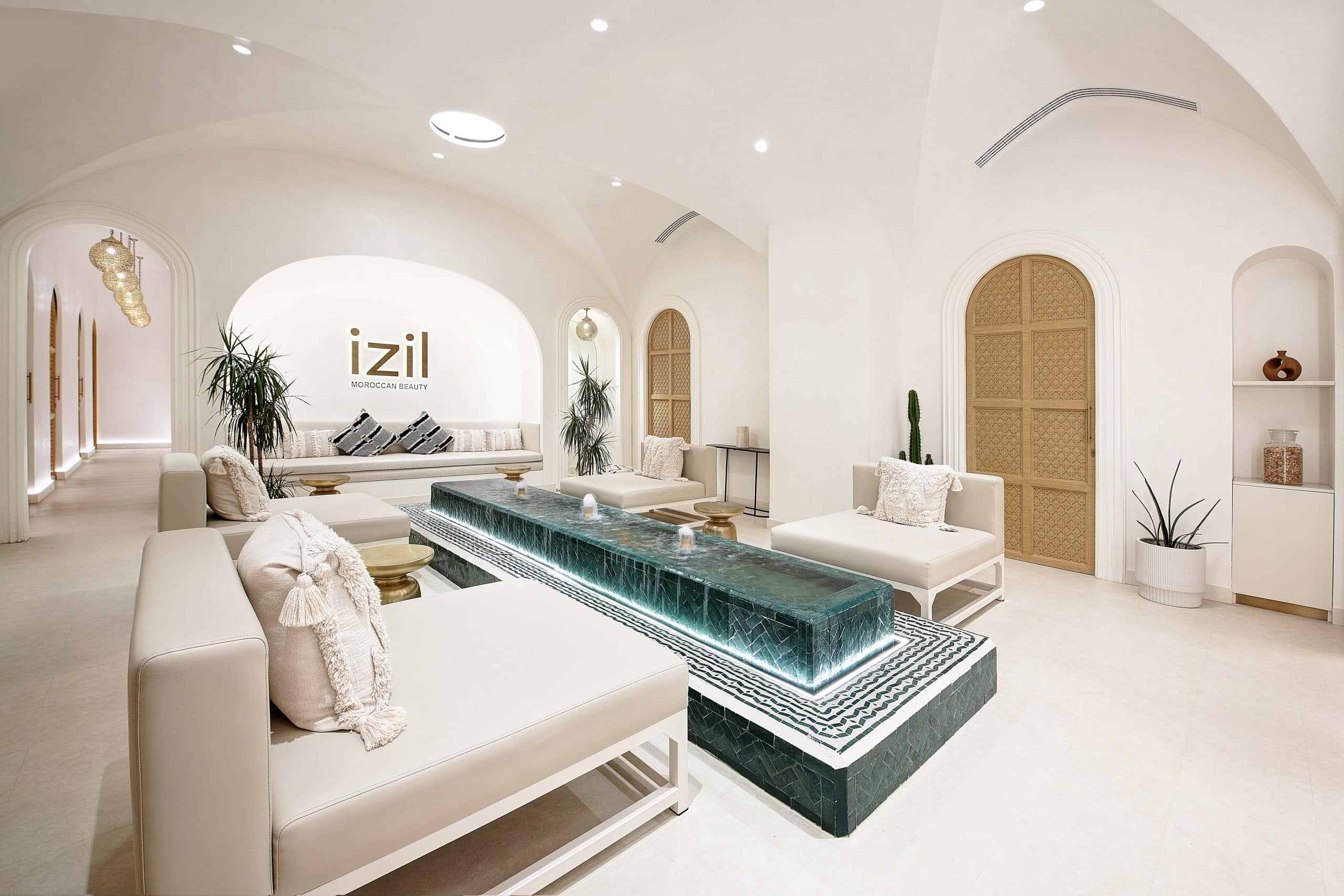
During this past year, we worked on the intimately cultural, health and wellness concept for IZIL Spa houses personal care experiences of hammams and bathhouses that are derived from ancient practices. This project allowed us to truly incorporate and explore sustainable practices and materials.
The Tadelakt plastered walls are natural, lime-based plaster indigenous to the foothills of the Atlas Mountains. Both decorative and waterproof, it has a honed, smooth surface reminiscent of natural stone. We made sure to also focus on the joinery work on the perimeter, utilising Arreis – a sustainable fibreboard and one of the few brands available through a local supplier (reducing carbon footprint). The epoxy flooring brand used, Florock, contributes to five LEED credit categories but still performs well in both wet and high traffic areas.
CARINA LIMA
Senior Interior Designer, Swiss Bureau Interior Design & Build
“WELL-BEING IS THE NUMBER ONE KEY.”
 While we were all working from home, we could create the perfect balancing act of our own accord. Combining personal tasks and work responsibilities throughout the day, such as cooking or doing laundry in between client meetings, per se, allowed us to manage our time better and still have all our responsibilities achieved. We also had access to fresh food and beverages just a few steps away and managed to have small breaks within the comforts of our own home.
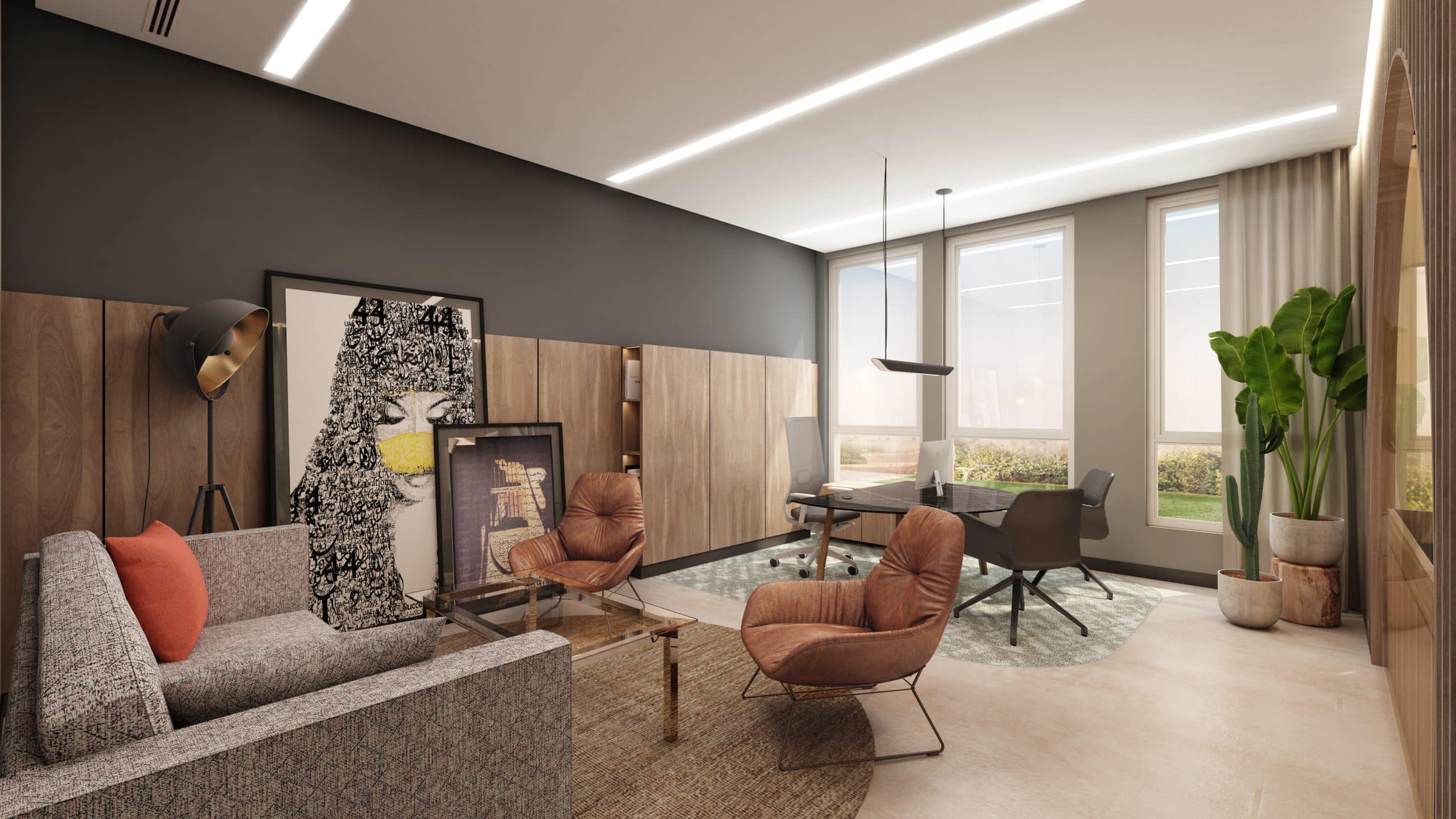
With that said, situations such as these should encourage employers and designers to offer different scenarios while designing the space to attract people in again. Well-being is the number one key. Offering good quality of air, access to healthy foods, breakout areas, relaxation areas, and outdoor spaces are examples of what we should be seeing more this year and beyond—also providing services that could make the employer’s life more balanced, such as flexible half days, will be instrumental in the upcoming year.
Not only are offices considered a workspace these days. Coffee shops and restaurants have now become a place of work. These projects are now given further attention to the quality of lighting, ergonomic furniture, much better acoustic solutions, and more!
FABIDHA SAFAR RAHMAN
Design Director, Design Matter
“BLOCKCHAINS AND AI ARE THE FUTURE.”
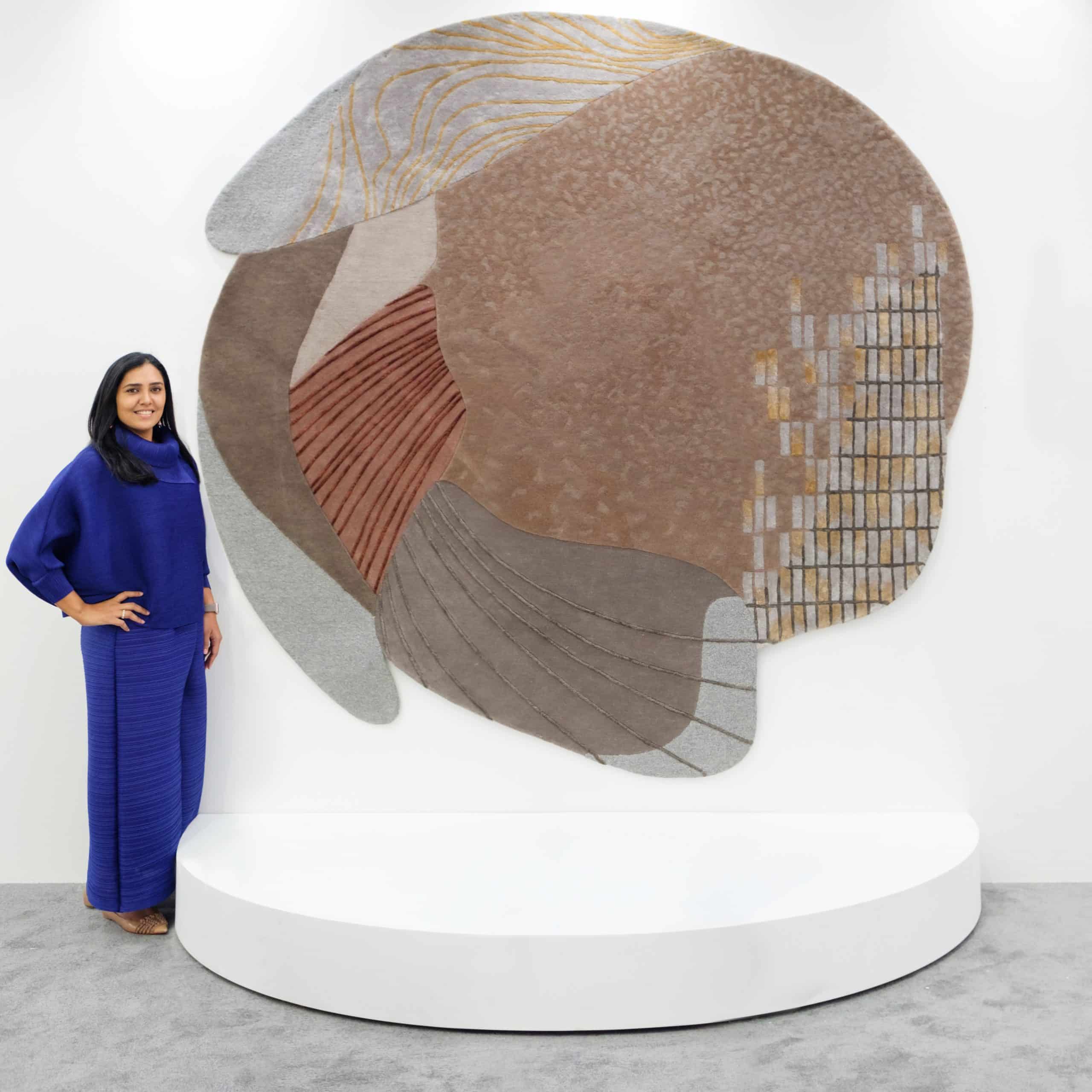
Web 3.0 is here and it’s here to stay. This being the next internet revolution it only makes sense for architecture and interior design to revolutionise with time. Virtually built environments have takers on many platforms and as each day passes, there is a new playground for designers to play in. Blockchains, crypto, NFTs all seem like foreign scary words and many are still wrapping their minds around trying to better understand it. Like Olga Mack, entrepreneur and blockchain lecturer says “To the average person, it does sound like voodoo, but when you press a button to switch on lights, do you understand how electricity is made?” You don’t have to know how electricity works to understand the benefits. The same is true for blockchain – with added benefits of security, efficiency, speed, and most importantly, transparency – it’s democratising and redistributing wealth among creators, sellers, and resellers. Giving creators, artists, and designers powers and rights over their work with complete transparency paves a path for art, product design, interior and architectural spaces that go beyond what we have ever experienced before. All this opens up a lot of opportunities for architects and interior designers to do what hasn’t been seen or done before.
Blockchains and AI are the future and we are here to embrace innovation and progress. Findings show that blockchain technology can also contribute to the circular economy in a mind-blowing range of ways – from helping to reduce transaction costs, enhance performance and communication along the supply chain, ensure human rights protection, enhance healthcare patient confidentiality and welfare. Even though blockchain comes with environmental costs at the moment large amounts of energy are required to generate such transactions, efforts are being made to find more sustainable methods. Embracing change is the key to progress and innovation.
MIHIR SANGANEE
Creative Director & Founder, Designsmith
“COMMUNICATION, COLLABORATION, AND CORPORATE WELLNESS.”
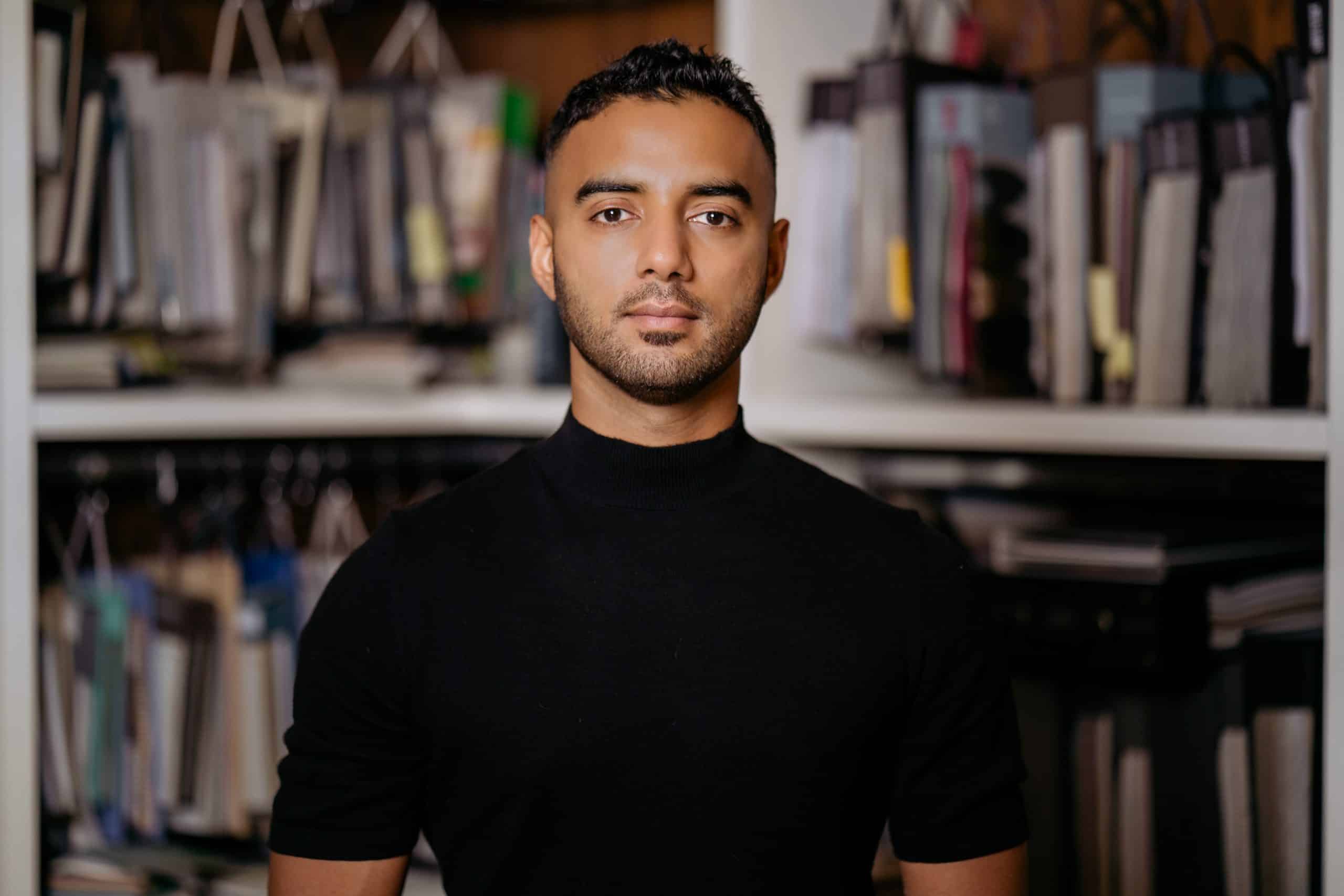
The pandemic may have hit the world very differently as compared to the UAE. The incredible health infrastructure and processes in place have made this the go-to destination for businesses all around the world. Not only are we seeing an all-time high in luxury residential investments but also an upward shift in commercial space developments. We are working on some incredible commercial projects such as the Rohsa Head Quarters spread across 10,000sqft and the much-awaited The Bureau, the largest women’s only co-working space in Emaar Gold and Diamond Park spread across 11,000sqft. The common theme across both these spaces is how we’ve managed to incorporate wellness in a commercial space. It’s been incredible bringing to life wellness break out spaces for staff and employees, furniture design that consider social distancing and specially coated fabrics that are virus repellent.
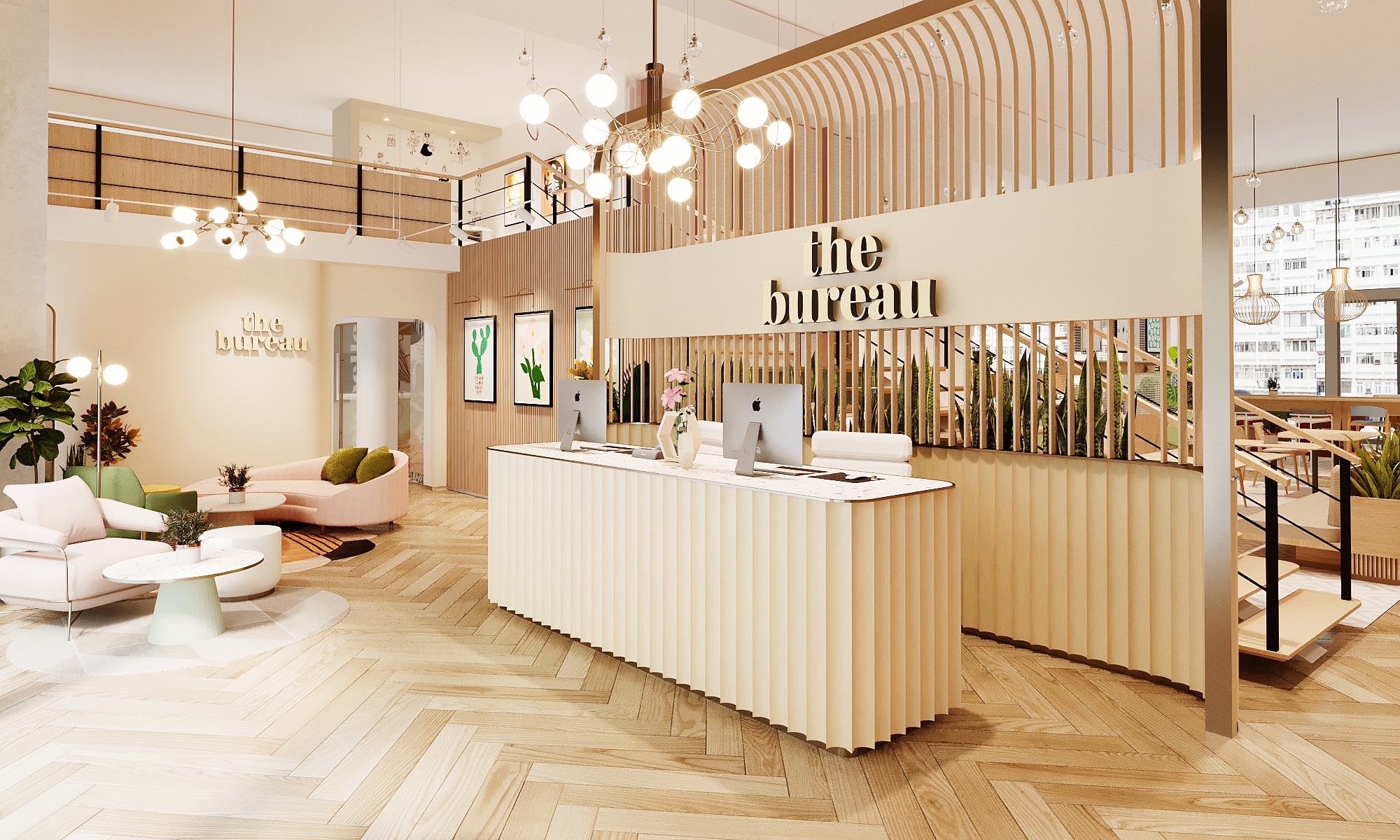
The Bureau is a one-of-a-kind space in the UAE, the mission for a highly productive co-working space that competes globally as the go-to destination not only has a fitness studio, a café and quiet rooms inside its premises, but also focusses on community building spaces which allow for gatherings, community talks, and more. Trends will come and go, but a well laid out design that allows for growth and functioning remains the call for most new establishments are opening shop now. The lessons learnt from rigid pre-pandemic plans and the flexibility achieved in working from home needs to be seamlessly balanced into what the ideal work environment now is to be. There will be larger shifts from fixed cabins that lined up offices previously to open spaces in organisations that allow for communication, collaboration and corporate wellness to take centre stage and most forward-looking organisations have already adapted to this model.

Latest Magazine